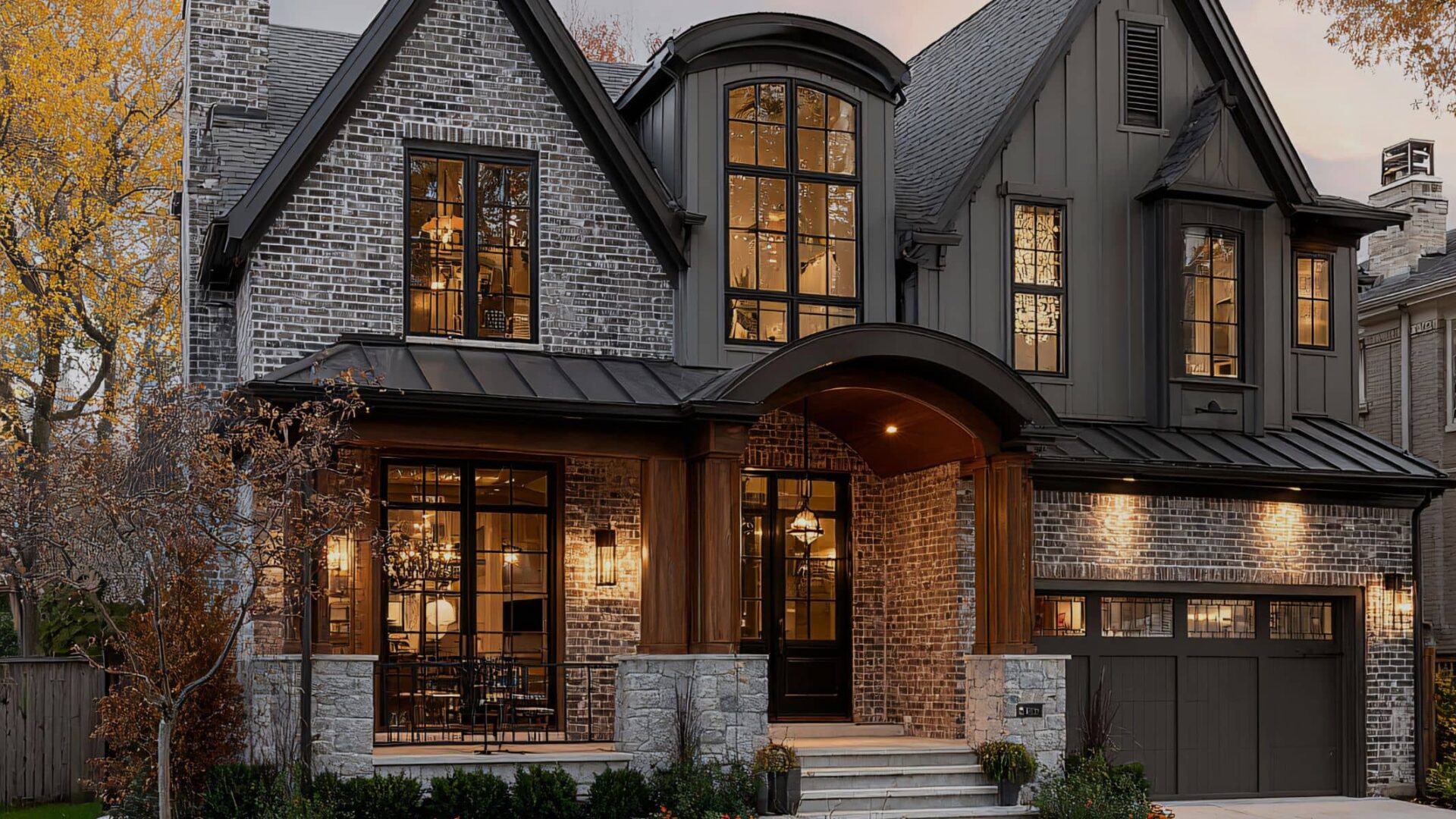
Why Mortar Selection Changes the Appearance and Performance of Brick Walls
If you own a brick home, you already know the weather here is tough on buildings. Hot summers and sudden cold snaps put real stress on brick joints. That’s why mortar repair takes more thought than most people expect. Picking the right mortar is not just about filling a gap. It affects how your wall looks and how long it holds up. Grab the wrong mix, and you could end up with patchy colors or joints that fail again in a year or two.
How Mortar Color Changes the Look of Brick Walls
Mortar isn’t just glue between bricks. It’s part of the design. The color, the sand used, and the finish all change how a wall reads from the street. A wall with dark, rough mortar looks totally different from the same wall with light, smooth mortar, even if the bricks are identical.
This is why a good mortar repair starts with a close look at the existing joints, not just the damage. Old mortar often has a specific tint from the sand that was used decades ago. Some sand sources aren’t even sold anymore. So a repair crew has to study the color and texture before mixing anything. Skip this step, and the patch job stands out like a scar, even after the crack itself is gone.
Aggregate size matters too. Coarse sand gives a gritty, textured joint. Fine sand gives a smooth one. Mixing the two styles on one wall creates an uneven look that catches the eye from across the yard.
Choosing Mortar Strength for Texas Temperature Swings
McKinney weather doesn’t sit still. Triple-digit heat in July gives way to freezing nights in January, sometimes within the same season. Brick and mortar expand when it’s hot and shrink when it’s cold. That constant push and pull puts pressure on every joint in the wall.
This is where mortar strength comes in. Modern mortar mixes, especially those with a lot of Portland cement, cure very hard. That sounds like a good thing, but it isn’t always. Old brick, especially soft historic brick, was built to work with softer, more flexible mortar. When you pair old brick with mortar that’s too hard, the mortar refuses to give during expansion and contraction. The brick takes the stress instead, and brick doesn’t bend. It cracks.
So strength has to match the brick, not just the climate. A stronger mix isn’t automatically the better choice. Sometimes a softer, more breathable mortar handles Texas swings far better over the years, even though it seems like the weaker option on paper.
Matching New Mortar to Existing Brickwork
Getting new mortar to blend with an old wall takes more than picking a similar-looking bag from the store. Color is only one piece. Texture matters. Joint profile matters too. A concave joint looks different from a flush or raked one, even using the exact same mortar mix.
Material compatibility plays a role as well. Lime-based mortars behave differently than cement-based ones. They cure slower and stay slightly more flexible over time. Using the wrong type can create a visible line between old and new work, almost like a seam in fabric that doesn’t match.
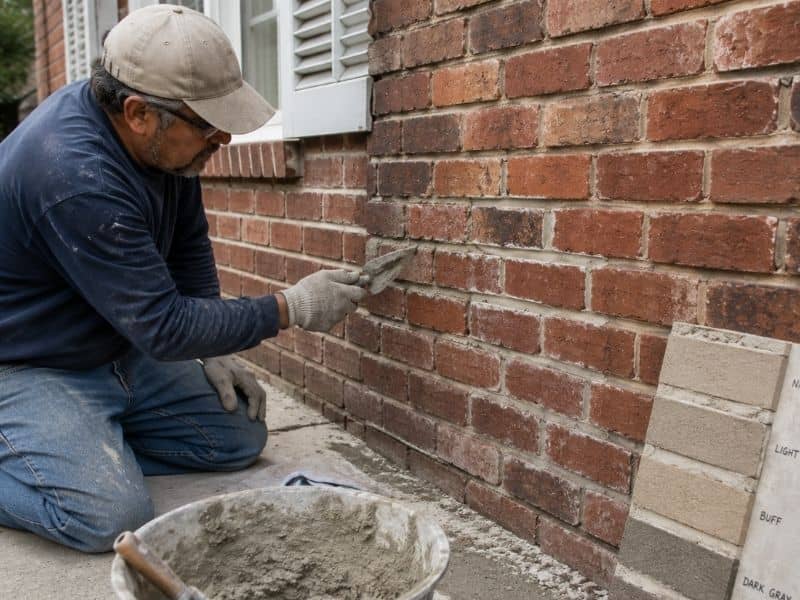
A repair that blends in takes patience. Sometimes it means testing a small mix on a hidden section of wall first, checking the color once it dries, then adjusting before tackling the visible repair. Rushing this step is the fastest way to end up with a wall that looks like it’s wearing a patch.
What Happens When Mortar Is Too Soft or Too Hard?
Mortar that’s too soft wears down fast. It crumbles under weather exposure and needs repair again sooner than it should. That’s frustrating, but it’s usually not dangerous to the brick itself.
Mortar that’s too hard is the bigger problem. As mentioned earlier, hard mortar won’t flex with the brick during temperature changes. Over time, this forces stress into the brick units, and that stress shows up as cracking, spalling, or chipped edges. Once brick starts to break down this way, repair gets far more expensive than a simple re-pointing job.
Moisture adds another layer. Hard, dense mortar can trap water inside brick instead of letting it escape. Older brick was often designed to let moisture wick out through the mortar joints. Seal that path off with the wrong mix, and water gets stuck inside the wall, leading to freeze-thaw damage during colder months.
When Mortar Repair Needs More Than a Surface Fix
Sometimes deteriorating mortar is just wear and tear from age. Other times, it’s a signal of something bigger going on. If joints keep failing in the same spot every year, that’s not normal wear. That’s a pattern worth investigating.
Recurring deterioration near the base of a wall often points to moisture problems, like poor drainage or a gutter dumping water right against the brick. Cracked joints that follow a straight line, rather than scattered spots, can point to foundation movement rather than simple weather damage.
Temperature stress alone rarely causes the same joint to fail again and again in one exact location. When that happens, the mortar itself is usually reacting to a deeper issue, not creating one. Recognizing this difference early keeps a small mortar repair from turning into a much bigger masonry project down the road.
Frequently Asked Questions
Why does mortar color matter when repairing brick walls?
Mortar color affects the overall balance of a brick wall’s appearance. If a repair uses mortar that’s a shade off from the original, it stands out clearly, even after the structural work is finished correctly.
How do Texas temperature changes affect mortar joints?
Repeated heating and cooling causes brick and mortar to expand and contract. Mortar that’s compatible with the brick can absorb this movement, while mismatched mortar can pass the stress onto the brick itself.
What type of mortar is best for brick repair?
There’s no single best mortar for every wall. The right choice depends on the existing brick’s hardness, the wall’s age and construction, and how much weather exposure the wall gets.
Can the wrong mortar damage bricks?
Yes. Mortar that’s too hard or incompatible with the brick can transfer stress directly to the brick units during temperature shifts. Over time, this leads to cracking and surface damage that’s harder to fix than the joints alone.
How can you match a new mortar to an existing brick wall?
Matching mortar involves more than color. Texture, sand size, joint profile, and material type all need to line up with the original work for a repair to blend in instead of standing out.