Painted Brick Recoating Works Better After Mortar Repairs
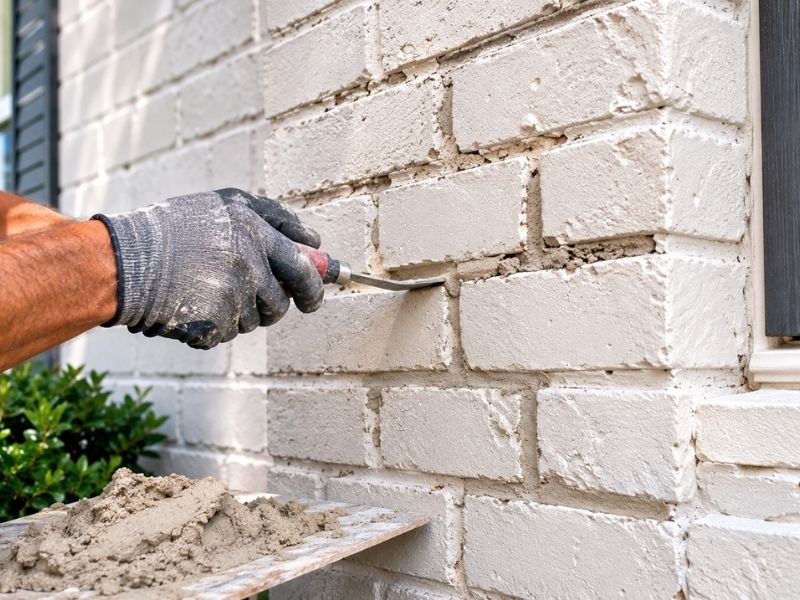
Worker repairing damaged mortar joints on a painted brick wall before recoating in McKinney, TX.

Fresh paint on a brick wall can look great for a season and then start to blister. When it fails that fast, the mortar underneath is usually the reason. Painted brick depends on solid joints. If the mortar has cracked or crumbled, water slips behind the coating and pushes it right off the wall. Homes around McKinney feel this more than most, because the clay soil and wide temperature swings work joints loose over time. So before you recoat, the mortar comes first. Fix the joints, dry the wall, then paint. That order saves you from touching up the same spots again next year.

Why Damaged Mortar Should Be Repaired Before Recoating Painted Brick

Damaged mortar has to be fixed first, because the joints control how water moves through a wall. Cracked, loose, or worn mortar opens small gaps. Rain and humidity seep in, sit behind the brick, and then push back outward. Paint takes the hit. It blisters, bubbles, or peels away in sheets. New mortar closes those gaps and gives the coating a firm, even base to grip. A wall with sound joints holds paint far longer. Paint over bad joints, though, and you seal the damage in. The moisture stays trapped, and the fresh coat fails early.

Finding Hidden Moisture Paths Before Applying New Paint

Water rarely enters a wall in one obvious spot. It finds several small paths, and each one needs attention before you paint. Walk the wall on a dry day and look closely at these common entry points:

  • Open or cracked mortar joints that never got repaired
  • Old caulk or sealant that has dried out and split
  • Gaps around flashing at windows, sills, and the roof line
  • Bare or porous brick that soaks up rain like a sponge

Mark what you find. Seal the joints, swap out tired sealant, and close the flashing gaps. New paint won’t stop a leak. It only covers one for a while.

Surface Preparation Steps That Improve Paint Adhesion

Once the mortar cures, prep work decides how well the new coat sticks. Start by cleaning the whole wall. Scrub off dirt, mildew, and chalky buildup with a stiff brush and a gentle masonry cleaner. Scrape away any old paint that flakes or lifts, since fresh paint can’t bond to a loose layer. If you see white, powdery efflorescence, brush it off dry and let the salts clear before you rinse. Then give the wall real time to dry. Damp brick traps moisture under the coating. Do a last close pass for missed cracks or thin joints. A clean, dry, solid surface holds paint the way it should.

Choosing Compatible Paint Systems After Masonry Repairs

The new coating has to work with the repaired mortar, not fight it. Brick and mortar need to breathe. A film that traps vapor inside will lift the same way the old paint did. Look for a breathable masonry coating that lets water vapor pass while it blocks liquid rain. Match your primer to that topcoat, because a mismatched primer can peel and take the color with it. Give fresh mortar time to cure before you paint, since new mortar stays damp and a little alkaline for weeks. Paint applied too soon can discolor or fail. A little patience here protects the whole job.

Long-Term Maintenance Tips for Recoated Painted Brick in McKinney

A recoated wall lasts longest when you check it now and then. Twice a year, walk the perimeter and look for hairline cracks, chalking, or spots where paint starts to lift. Small mortar repairs done early stop water before it spreads. Keep gutters and downspouts clear so runoff doesn’t sheet down the brick and pool at the base. Trim back sprinklers that spray the wall. McKinney’s wet springs and hot, dry summers push brick through a lot of movement each year, so steady upkeep matters more here than in milder spots. Catch the little things, and you’ll put off a full repaint for many more years.

Frequently Asked Questions

Should mortar be repaired before repainting brick?

Yes. Mortar joints are the main path for water, so cracked or loose mortar has to be fixed first. Paint laid over bad joints traps moisture against the brick, and the coating peels early. Sound mortar gives new paint a stable base to hold onto.

How long should repaired mortar cure before applying paint?

Give it time to dry and harden. Many paint makers suggest waiting about 28 days for cement-based mortar to fully cure. Fresh mortar stays damp and alkaline, which can discolor or lift a coating. Check your paint’s label, since cure times vary by product.

Can new paint hide cracked mortar joints?

Not for long. A coat of paint may cover a crack on the surface, but it won’t seal the gap behind it. Water keeps moving through, and the paint blisters over that same joint within a season or two. Repair the mortar first.

Why does painted brick peel after a few years?

Usually because moisture is getting behind the coating. Cracked joints, failed sealant, or a paint that can’t breathe all trap water against the brick. As that water moves in and out, it lifts the paint off the wall. Fixing the source stops the cycle.

What type of paint works best on repaired brick masonry?

A breathable masonry coating is the safest pick. It lets water vapor escape while it keeps rain out, so pressure doesn’t build under the film. Pair it with a matching masonry primer, and let the repaired mortar cure fully before the first coat goes on.
Painted Brick Ideas That Preserve Timeless Curb Appeal

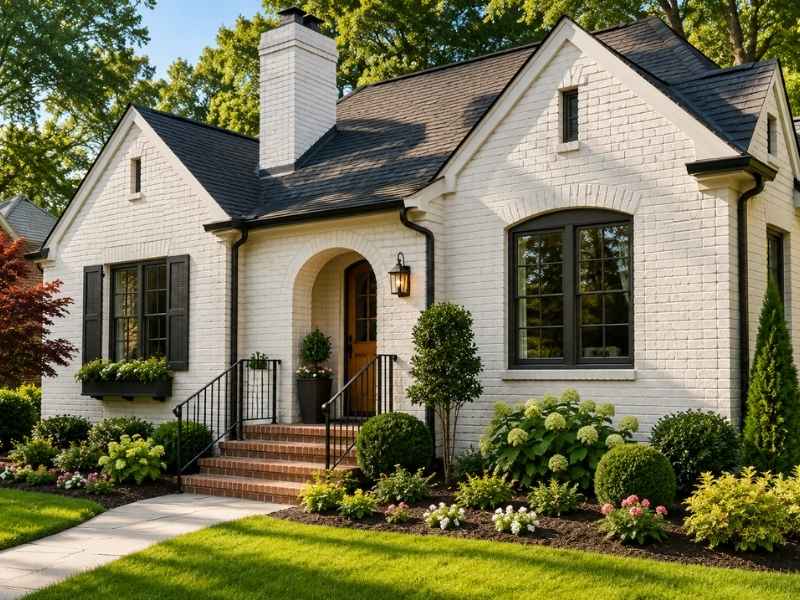
Painted brick ideas featuring a timeless white brick exterior with coordinated trim and landscaping to enhance long-lasting curb appeal.

A fresh coat of paint can completely change the look of an older brick home, but the best results come from choices that stand the test of time. The right painted brick ideas refresh faded exteriors, highlight classic architecture and improve curb appeal without making the home look trendy or overdone. Careful color selection and proper preparation help create a finish that stays attractive for years. 

Why Painted Brick Works for Older Homes

Older brick homes have great bones, but decades of weather can leave the brick faded, stained or stuck in a dated color. Painted brick gives these houses a clean, updated look without hiding the character that makes them special. It’s one of the simplest ways to refresh a home’s face while keeping its classic charm.

The appeal goes beyond looks. A fresh coat can cover mismatched repairs, uneven coloring and the tired orange or brown tones common in older brick. Suddenly a house that felt stuck in the past reads fresh and cared for.

Done well, painted brick also lasts. A quality job holds up for years and protects the surface underneath from moisture and wear. That mix of beauty and durability is why so many owners of older homes choose it.

Choose Classic Colors Over Trends

The secret to lasting curb appeal is picking a color that won’t feel dated in five years. Bold trend colors look exciting at first, but they age fast and can hurt resale. Soft, classic shades keep a home looking good for the long haul.

Warm whites and creams are a safe, popular choice that suits almost any older home. Greige, a blend of gray and beige, gives a modern feel while staying neutral. Deep charcoal or soft black can look striking on the right house, especially with clean white trim.

The goal is a color that flatters the home’s style, not one that fights it. A classic palette works with the architecture instead of shouting over it. When in doubt, lean toward shades you’d still love a decade from now.

Consider Limewash for a Softer Look

Not every brick update means solid, uniform paint. Limewash offers a softer, more natural finish that many older homes wear beautifully. It soaks into the brick rather than coating it, so it leaves a matte, weathered look with subtle variation.

Limewash has real practical perks too. It lets the brick breathe, which helps moisture escape instead of getting trapped behind a sealed layer. That breathability suits old masonry, which was never built for a heavy modern coating.

The look is easy to adjust as well. You can apply limewash thick for near-full coverage or thin for a faded, old-world feel. Some owners even wipe part of it back to let the original brick peek through, a trick that keeps plenty of character.

Coordinate Brick With Trim and Accents

A brick color rarely stands alone, so the smartest updates tie it together with the trim, door and roof. When these elements agree, the whole house looks intentional and polished. When they clash, even a great brick color falls flat.

For a look that holds together, coordinate the brick with:

  • Roof color, since it’s usually the hardest feature to change
  • Trim, in a crisp white, cream or a deeper contrast shade
  • The front door, where a richer tone adds a welcome pop
  • Small accents like light fixtures and house numbers

Start with the features you won’t change, then build the palette around them. A door in a deeper or warmer tone draws the eye without overwhelming the look. When every piece agrees, the curb appeal reads polished instead of pieced together.

Protect the Brick With Proper Prep and Paint

The difference between a paint job that lasts and one that peels comes down to prep and product. You have to clean, dry and repair the brick before any color goes on. Skipping that step is the fastest way to a finish that flakes within a couple of years.

Good prep means washing off dirt and mildew, fixing cracked mortar and letting the surface dry fully. Old brick holds moisture, so patience here pays off. Paint applied over damp or crumbling brick simply won’t hold.

The product matters just as much. Masonry and mineral paints let brick breathe while still protecting it, which suits older homes far better than a standard sealed coating. Choosing the right paint keeps your update looking sharp and saves you from redoing it too soon.

Frequently Asked Questions

Is painting brick a good idea for an older home?

It can be, especially when the brick is dated, stained or mismatched from past repairs. Paint gives the home a fresh, updated look while keeping its classic character. The key is proper prep and a breathable paint so the finish lasts.

What painted brick colors stay in style the longest?

Soft neutrals hold up best over time. Warm whites, creams and greige suit almost any home, while deep charcoal works well with crisp trim. These classic shades flatter the architecture and rarely feel dated.

Does painted brick require a lot of maintenance?

Some, but not a lot with a good job. You’ll want to rinse it now and then and touch up any spots where paint wears or chips. A quality breathable paint over well-prepped brick keeps that upkeep low for years.

What is limewash, and how is it different from paint?

Limewash is a lime-based finish that soaks into brick instead of coating the surface. It gives a soft, matte, weathered look and lets the brick breathe. Regular paint sits on top as a solid film, so it offers full color but less of that natural feel.

Can painted brick be undone later?

Not easily, so treat it as a long-term choice. Removing paint from brick is difficult and messy, and it can damage the surface. Because of that, it’s worth picking a color and finish you’ll be happy with for a long time.