A masonry mailbox with two compartments, one for letters and one for parcels, gives deliveries a secure home at the curb. Getting it right takes careful sizing, solid footing, and details that keep water and thieves out. Packages show up almost daily now, and the standard mailbox wasn’t built for them. Boxes end up on the porch, soaked by rain or carried off by someone else.
Planning a Masonry Mailbox With Two Delivery Compartments
Start with how mail and packages arrive at your home. Letter carriers usually deliver from their vehicle at the curb. Package drivers may walk up or stop briefly, and they often deliver larger items than a mailbox can hold.
A dual-compartment design typically pairs a standard mailbox with a parcel locker or drop-in bin. The two can stack vertically or sit side by side in a wider column. Each layout changes the size and weight of the structure.
Postal carriers deliver to curbside boxes that meet their placement guidelines. Other carriers may only use a parcel compartment if it’s easy to load, such as a drop slot that doesn’t need a key. Ask your local post office and regular delivery companies what they’ll use before finalizing the design.
Choosing Brick and Stone Designs for Dual Mailbox Units
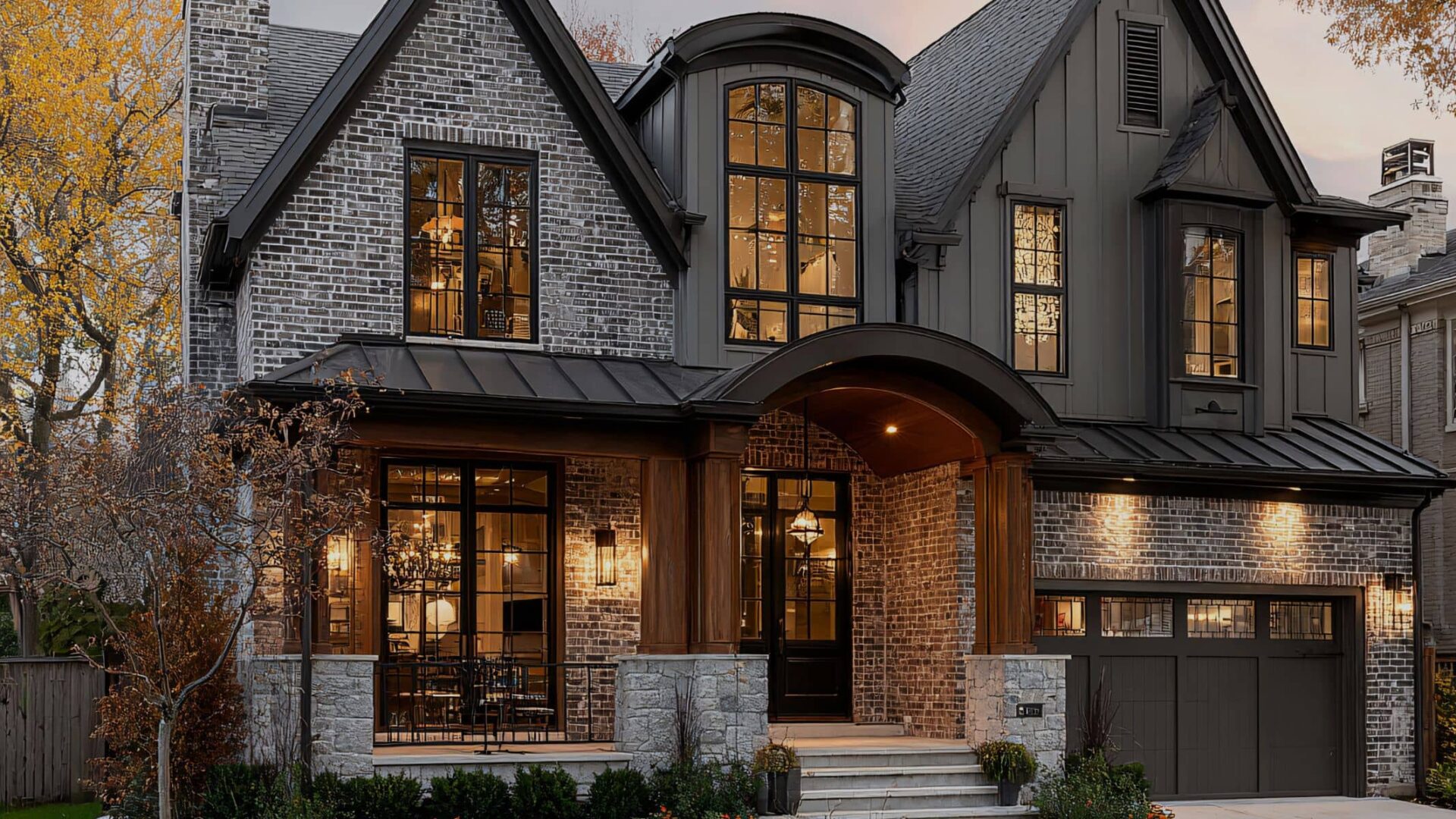
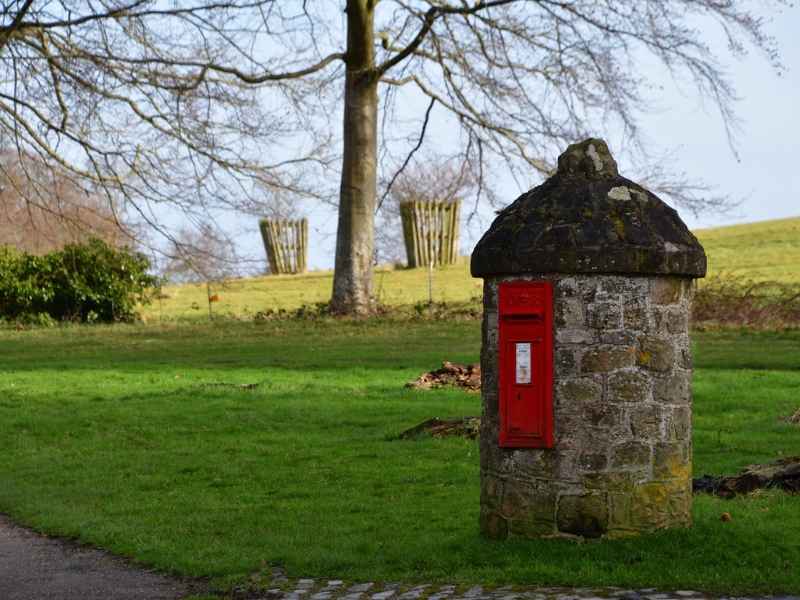
A two-compartment unit is bigger than a typical mailbox, so design matters more. A brick mailbox can echo the home’s brick for a built-in look. A stone mailbox adds texture and can tie into a stone patio, walkway, or porch.
Many homeowners combine materials. Brick columns with a stone cap, or a stone base with brick above, can balance the larger size. Matching mortar color to the house helps the structure blend in.
Proportion keeps a bigger unit from looking bulky. Set it back slightly from the street within carrier guidelines, keep the cap in scale, and avoid overly tall designs near the driveway. Landscaping around the base softens the mass.
Determining Compartment Sizes and Access for Parcel Deliveries
Compartment sizes should come from the inserts you plan to install. Most parcel lockers and mailbox inserts come with specific dimensions, and the masonry gets built around them. Choose the inserts before the mason lays out the column.
Think about the packages you usually receive. Most homes get a mix of small boxes and padded mailers. A parcel compartment sized for typical deliveries helps, while very large items will still need another spot.
Access matters for everyone using the box. The mail slot should face the street at the height carriers expect. The parcel compartment may open from the street or the house side, depending on design.
A retrieval door facing the house can let you collect packages without standing in the street. Make sure there’s room to open doors fully. Check that walkways or brick pavers leading to the mailbox stay level and easy to use.
Building a Stable Foundation for a Larger Masonry Mailbox
Bigger structures need more support. A two-compartment masonry mailbox weighs far more than a single column, and that weight has to sit on solid ground. Most need a concrete footing sized for the structure and soil conditions.
Footing depth and design depend on local soil, frost conditions where relevant, and the mailbox’s size. A mason may add reinforcement inside the column, especially for taller or wider units. Building on loose fill or soft soil leads to leaning and cracks.
Watch for nearby features. Driveway edges, utility lines, and irrigation pipes often sit close to curbside mailboxes. Call 811 before digging, and plan the footing so it doesn’t undermine the driveway.
Some road agencies restrict rigid structures close to the road, especially on faster streets. Rules vary by municipality, county, and road type. Check before building near the edge of the right-of-way.
Incorporating Weather Protection and Secure Parcel Storage
Water is the enemy of both packages and masonry. A good cap should overhang the column and shed rain away from compartment doors. Flashing or careful sealing around inserts keeps water from getting into the masonry.
Inside the parcel compartment, small drainage openings help any water that does get in escape. Packages sitting in standing water defeat the purpose of the box. Choose inserts with gaskets or weather seals where possible.
Security is the other half. Locking parcel compartments with drop slots let carriers deliver without a key. Anchoring the insert firmly in the masonry keeps it from being pried loose. Lighting near the mailbox can help discourage theft at night.
Frequently Asked Questions
Will postal carriers use a masonry mailbox parcel compartment?
Postal carriers typically use mailboxes that meet their placement guidelines. Whether they use a separate parcel compartment can depend on its design and access. Drop slots that don’t require keys tend to work for more carriers. Ask your local post office before building.
How big should the parcel compartment be?
Size it for the packages you usually receive. Start with the dimensions of the parcel insert you plan to install. The masonry gets built around that insert. Very large items will still need another delivery spot.
Can I add a parcel box to my existing brick mailbox?
Sometimes, depending on the existing size and condition. Smaller mailboxes may need to be rebuilt or expanded to fit a parcel insert. The footing may also need to be enlarged for the added weight. A mason can assess whether a retrofit makes sense.
