Brick Mailbox Upgrades That Make a Strong First Impression
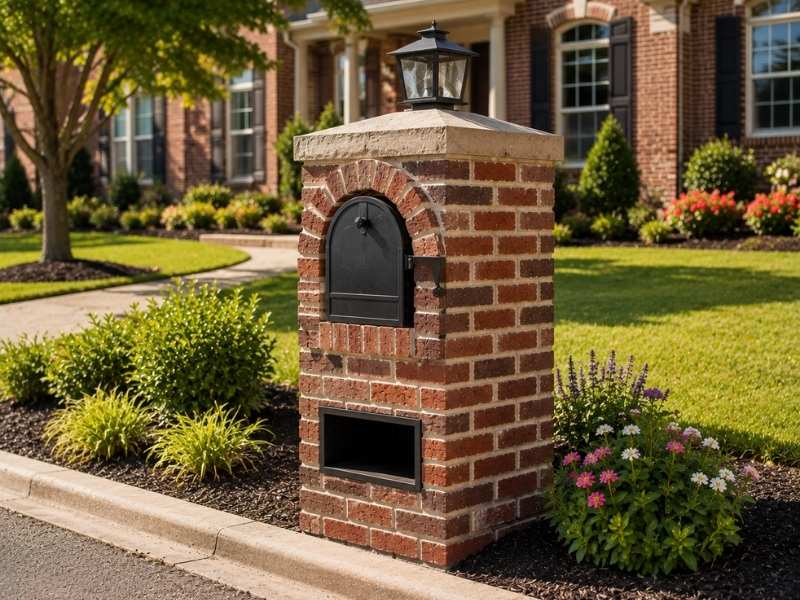
Your mailbox sits at the curb, where every visitor and passerby sees it first. A brick mailbox turns that small spot into a feature instead of an afterthought. Built and finished well, it adds a touch of permanence and curb appeal that a plain metal post can’t match. A few smart upgrades can make it both good-looking and genuinely useful. The trick is balancing looks, function and durability so the mailbox works as hard as it looks good.
Choose a Design That Fits Your Home
A brick mailbox looks best when it echoes the house behind it. Pull the brick color and style from the home itself, so the mailbox reads as part of the property rather than a random add-on. A red-brick house pairs naturally with a matching red mailbox, while a stone or painted home might call for a softer blend.
Scale matters at the curb. A tall, bulky mailbox can overwhelm a modest house, while a too-small one gets lost in front of a large one. Aim for a size that feels balanced from the street, where most people will see it.
Shape sets the tone too. A simple rectangular column feels classic and clean, while a wider base with a planter or cap adds a bit more presence. Match that shape to your home’s overall style, whether traditional or modern.
Add Helpful Features
A brick mailbox can do more than hold the mail. Building in a few practical features turns it into a small hub for the front of your home. The best upgrades blend into the brick so the mailbox stays clean and uncluttered.
- House numbers set into or mounted on the brick, which make your home easy to find for guests and deliveries.
- A newspaper holder built into the base, so papers stay dry and up off the ground.
- A larger mailbox insert, which handles packages and heavy mail days far better than a standard box.
- A small light or solar cap on top, which adds visibility and a touch of charm after dark.
Pick the features you’ll actually use rather than adding every option. One or two well-placed extras keep the mailbox useful without making it look busy. The goal is help, not clutter.
Build on a Strong Base
A brick mailbox is heavy, so it needs a solid base to stay straight for years. Without a proper footing, the structure can settle, tilt or crack as the ground shifts beneath it. A leaning mailbox is the clearest sign the base was skipped or rushed.
The footing should reach below the frost line in cold areas. When water in the soil freezes and thaws, it heaves the ground, and a shallow base rides that movement. A deeper, concrete footing keeps the mailbox anchored through the seasons.
Level matters from the start. A mason sets the base flat and square before laying the first brick, since any lean only grows as the column rises. Getting the foundation right is what separates a mailbox that lasts from one that topples.
Keep the Design Simple
With a small structure like a mailbox, simple almost always wins. Clean brick lines and a tidy cap look sharp and timeless, while too many add-ons make a small column feel cluttered. Restraint is what gives a brick mailbox its quiet, finished look.
Let the brickwork itself be the main feature. Even spacing, neat joints and a consistent color do more for the look than fancy trim or mixed materials. A well-built plain column beats a busy, over-decorated one every time.
Pick one accent at most, not several. A single contrasting cap or a soft arch over the box adds interest without tipping into clutter. Simple choices age better and keep the focus on solid, clean work.
Care for Your Brick Mailbox
A brick mailbox sits out in the weather and traffic, so a little care keeps it sharp. Road dust, splashed mud and the odd bump from a passing car all take a toll over time. A rinse with water and a soft brush handles most of the grime.
Check the mortar joints once or twice a year. Roadside mailboxes face splashing water and, in some areas, road salt, both of which wear mortar faster than a sheltered wall. Catching a crumbling joint early means a quick repoint instead of a rebuild.
Handle small damage before it spreads. A loose brick or a hairline crack is simple to fix when it’s small, but weather and passing traffic will widen it if ignored. A quick repair now keeps the mailbox standing straight and looking its best.
Frequently Asked Questions
Why is a brick mailbox a good choice?
A brick mailbox is sturdy, low-maintenance and adds real curb appeal. It stands up to weather and time far better than a metal post, and it ties the front of your property together. Built well, it can last for decades with only occasional care.
Can I add house numbers to a brick mailbox?
Yes, and house numbers are one of the most useful upgrades. You can set numbers into the mortar, mount them on a brick face or add a small plaque. Clear numbers help guests and delivery drivers find your home quickly.
How do I clean a brick mailbox?
A rinse with water and a scrub with a soft brush removes most road dust and grime. For tougher spots, a mild cleaner made for masonry works without harming the brick. Skip harsh acids and strong pressure washers, which can wear the surface and mortar.
What causes a brick mailbox to lean?
Most leaning traces back to a weak or shallow base. When the footing doesn’t reach below the frost line, freezing and thawing ground pushes the structure out of plumb. A solid, deep foundation is the best way to keep a mailbox standing straight.
How long can a brick mailbox last?
A well-built brick mailbox can last for decades with basic care. The brick itself holds up for a very long time, while the mortar may need a small repair now and then. Keeping the base solid and the joints sound is what carries it through the years.