Can Painted Brick Be Restored to Its Original Appearance?

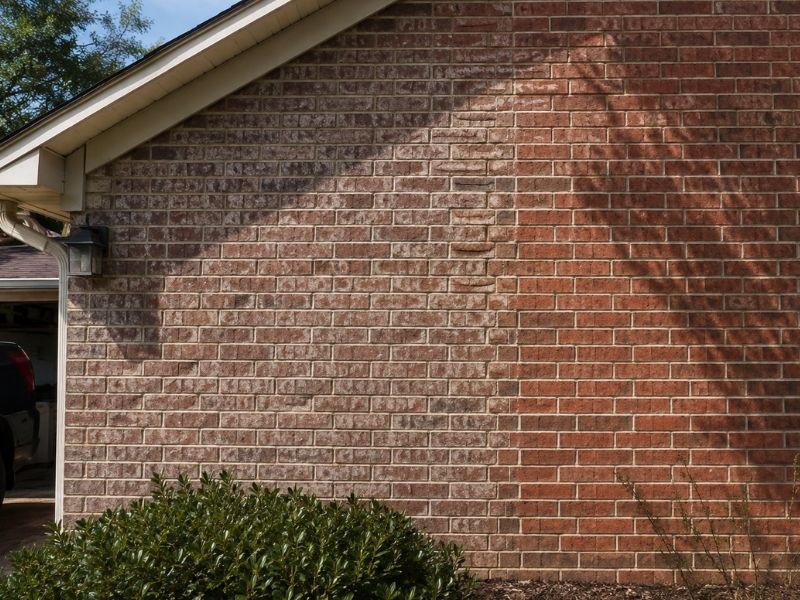
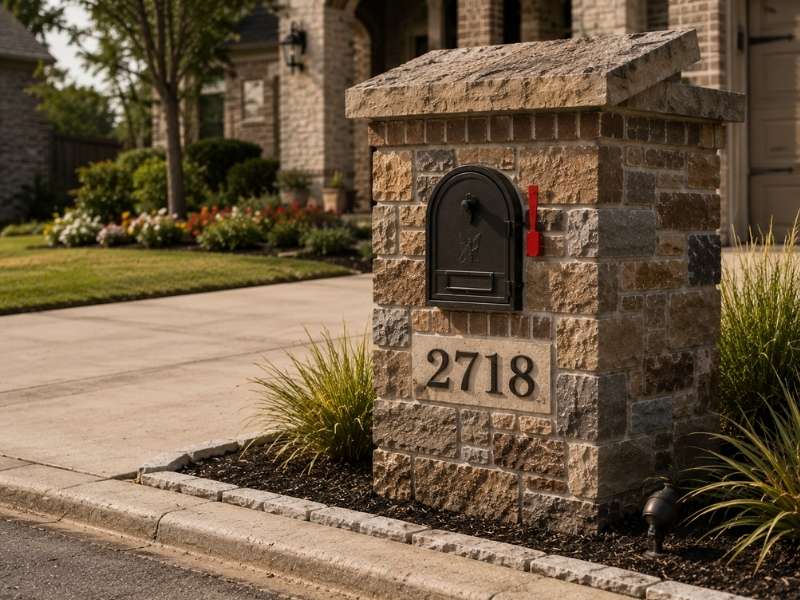
Partially restored painted brick exterior showing white paint being removed to reveal the original red brick on a home in McKinney, TX.

Somebody painted it white in 2016 and now you want the brick back. Painted brick can be stripped, and the honest range of outcomes runs from very good to permanently worse. Which one you get was mostly decided years ago, by the painter, not by you. The one thing you control is whether you test before you commit.

Setting Realistic Expectations for Painted Brick Restoration

You’ll almost never get it back to original. A skilled strip can pull off most of the coating and leave a wall that reads as brick again from the sidewalk. Up close you’ll still find paint in the pores, and the color will sit slightly off from a wall that was never touched.

Set that expectation before you spend a dollar. People who go in expecting factory-new brick end up unhappy with a genuinely good result. People who expect a weathered old wall are usually pleased.

Why the Brick’s Protective Surface Matters

Brick comes out of the kiln with a hard outer face. That skin is dense, it sheds water and it carries the color. Everything underneath it is soft and thirsty.

Break the skin and the brick starts drinking. Water gets in, salts move around, and the face begins to crumble over a few seasons. That’s the risk in every removal method, and it’s why aggressive cleaning ruins more brick than paint ever did.

So the real question isn’t whether the paint will come off. It’s whether the skin survives the process.

How Different Paint Types Affect Removal Results

Brick comes out of the kiln with a hard outer face. That skin is dense, it sheds water and it carries the color. Even professional brick cleaning is designed to preserve this protective surface rather than wear it away. Everything underneath it is soft and thirsty.

Latex and acrylic soaked into the pores. Those grip hard and they’re the reason so many strips end with a shadow of color left behind. Elastomeric coatings are the worst of the group, because they were built to stretch and stick to masonry forever.

Nobody knows what’s on your wall until someone tests it. Layers stack too, so a 1970s oil base under two coats of latex behaves like neither one.

Why Every Painted Brick Project Needs a Test Patch

Pick a small area that nobody sees. Behind a downspout works. Run the method there and let it sit through a rain cycle before you judge it.

A test patch tells you three things: how much paint releases, whether the brick face survives and what the cleaned brick actually looks like. That last one surprises people most. The brick under the paint may be a color you don’t want.

Chemical Paint Removal Methods for Brick

Masonry-safe strippers work by softening the paint so it can be washed or peeled away. The good ones come as a thick paste and get covered with a laminate cloth, which holds them wet for hours or days. Slow is the point.

The process is messy and it isn’t cheap. You’ll do multiple applications on a layered wall, plus a neutralizing rinse afterward if the product is caustic. Runoff has to be captured, because it’s paint waste and it’s regulated.

Match the chemistry to the coating. A stripper that eats oil paint may do nothing to elastomeric. This is where an experienced contractor earns the fee, and where a general painter usually guesses.

Why Abrasive Blasting Can Permanently Damage Brick

Sandblasting takes paint off fast. It also takes the fired skin with it, and that damage is permanent. The National Park Service has warned about abrasive cleaning on historic masonry for decades, and Preservation Brief 6 covers exactly this failure.

Soda and other soft media get sold as the gentle option. Gentle is relative, and pressure, distance and operator skill decide the outcome more than the media does. I’ve seen soda blasting go fine and I’ve seen it chew a wall.

If someone quotes you a fast blast for a low price, that price is the tell. Speed on painted brick is a warning, not a feature.

Understanding Ghosting After Paint Removal

Ghosting is the faint color left in the pores after a strip. It shows most in raking light and after rain. On a big elevation it can look like a shadow of the old paint scheme.

You can chase it with more chemistry and more rinsing, and each round costs brick face. At some point the smart move is to stop. A little ghosting on a hundred-year-old wall reads as patina, and most people stop noticing within a month.

When Repainting Is a Better Option Than Stripping

Some walls shouldn’t be stripped. Soft handmade brick, salvaged brick and anything already spalling will lose face in the process. A wall with failing units needs repair before it needs cosmetics.

Mineral paint and limewash are worth a look here. Both breathe, which matters on brick, and limewash weathers to something that looks a lot less like paint. Neither one gets you back to bare brick, and both beat trapping moisture under another coat of latex.

Brick staining is the third option. Stain soaks in instead of coating over, so the texture stays. It works on bare brick and on some stripped walls, and it can even out ghosting better than another strip round will.

Questions to Ask Before Hiring a Brick Restoration Contractor

  • What coating is on the wall, and how many layers, confirmed by test?
  • Where’s the test patch, and how long will it weather before you decide?
  • Which stripper chemistry, and is it rated for masonry?
  • Who captures the runoff, and how is the waste handled?
  • Is any blasting involved, and if so, at what pressure and by whom?
  • What does the contractor say the finished wall will look like, in writing?
  • What’s the fallback plan if the test patch takes the face off?

Ask every one of these before signing. The answers are free now. A wall with the skin blasted off is not a fixable mistake.

Frequently Asked Questions

Can paint be completely removed from brick?

Rarely. Chemical stripping can remove most paint, but coatings that have penetrated the brick’s pores often leave behind a faint shadow known as ghosting. Older oil-based paints generally come off more completely than latex or elastomeric coatings. The goal is usually to restore the appearance of natural brick rather than achieve a completely paint-free surface.

Does removing paint damage brick?

It can if the wrong removal method is used. Brick has a durable fired outer surface that protects it from moisture and weathering. Abrasive techniques can strip away this protective layer and expose the softer material underneath. Masonry-safe chemical stripping products are typically much less damaging than aggressive mechanical methods.

Is sandblasting painted brick a bad idea?

Yes. Sandblasting removes the brick’s protective fired surface along with the paint, causing permanent damage. It is generally not recommended for painted brick because it can shorten the life of the masonry. Even softer blasting methods require careful evaluation and experienced application.

How much does it cost to strip painted brick?

The cost depends on the type of paint, the number of existing layers, the size and accessibility of the wall, and local labor rates. Multiple paint layers often require additional applications, increasing the overall cost. A test patch is usually the best way to determine the appropriate removal method and provide an accurate estimate.

Should I repaint instead of stripping?

In some cases, repainting is the better option. Older, softer, or deteriorated brick may be damaged during paint removal. Breathable finishes such as mineral paint, limewash, or brick stain can improve the appearance while allowing moisture to escape, making them a practical alternative to complete paint removal.

How Brick Masonry Helps Homes Stay Beautiful Through Changing Seasons

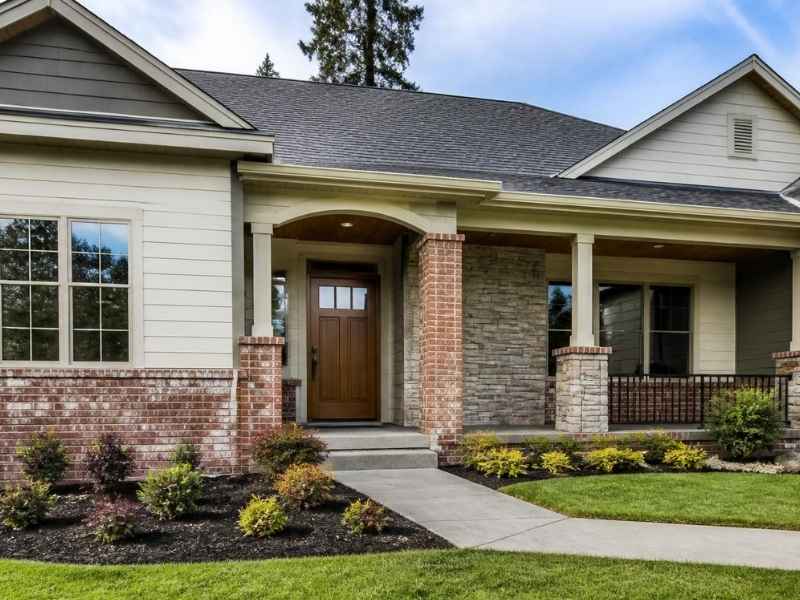
Brick masonry exterior on a well-maintained home showing lasting color, clean mortar joints, and timeless curb appeal through changing seasons.

Brick masonry gives a home a look that holds up long after the seasons have done their worst. Heat, storms, damp weather and swings from cold to hot all wear on an exterior, and most materials show it. Paint chalks and peels. Vinyl fades and warps. Brick mostly shrugs it off and keeps looking like itself. That staying power comes from the material, though it lasts longest when the brickwork goes up right and gets simple care over the years.

Brick Keeps Its Color and Surface Season After Season

The biggest reason a brick stays good-looking is its color. Brick takes its color from the clay itself, and firing locks it in for good. Sun, rain and years of weather can’t strip a color that reaches through the whole brick rather than sitting on the surface. A painted wall loses its finish to sun and moisture, while a brick wall keeps the same tone it had on day one.

The surface holds up just as well. Brick doesn’t chalk, blister or streak the way painted and lightweight materials do after a few hard summers. It picks up a little character over time, but it never looks tired or dated. That’s why a brick home from decades ago can still look sharp, while the vinyl and paint around the neighborhood have been redone two or three times.

Brick’s Thermal Behavior Keeps the Wall Steady

Brick does something lightweight materials can’t: it handles temperature swings without stressing. Brick has high thermal mass, which means it soaks up heat slowly through the day and lets it go slowly at night. Instead of heating and cooling in fast jumps, a brick wall changes temperature gently.

That slow, steady behavior protects the way the wall looks. Materials that heat and cool quickly expand and contract hard, and over time that movement shows up as warping, buckling or stress cracks. Brick moves far less, so it stays flat and stable through the same weather. Across a full year of hot afternoons and cold nights, that stability is a big reason brick keeps its clean, even face.

Quality Brickwork Adds Lasting Curb Appeal

Good brickwork is a design decision, and the choices you make up front decide how well a home ages. The bond pattern sets the rhythm of the wall, whether it’s a simple running bond or a tighter herringbone, and a well-laid pattern reads as clean for decades. Color blends matter too, since mixing a few close tones gives a wall depth that a single flat color can’t, and it hides the small variations that show up over years.

The joints do quiet work here. Even, well-tooled mortar joints frame each brick and keep the whole wall looking crisp, while sloppy or mismatched joints drag down even good brick. When a repair does happen, matching the mortar color and joint profile keeps the fix from standing out. Those details are the difference between a wall that looks intentional and one that looks patched together.

A Little Care Keeps the Look Going

Brick earns its low-maintenance reputation, but it isn’t no-maintenance. Keeping that season-proof look means catching the few things that do go wrong before they spread. Worn mortar, seasonal cracks and water finding a way in are the usual suspects, and each has a simple fix when you catch it early.

Rather than repeat the full playbook here, the details live in a few focused guides. There’s a breakdown of how water moves behind brick walls, a look at why cracks tend to show up after a hot, wet summer, and a guide to when a small brick repair protects long-term value. Stay ahead of those three, and the appearance mostly takes care of itself.

Frequently Asked Questions

How does brick keep its color through the seasons?

Brick gets its color from the clay itself, not from a coating on top. Because the color reaches through the whole brick, weather can’t wear it off the way it strips paint. A brick wall holds close to its first-day tone for decades, even after years of sun and rain.

Why does brick handle temperature changes better than other materials?

Brick is dense and heavy, so it soaks up heat slowly and lets it go slowly rather than spiking with the weather. Lighter materials heat and cool fast, which makes them expand, warp and stress. Brick barely moves by comparison, so the wall stays flat and steady through hot days and cold nights.

Do brick patterns and color blends really affect how a home ages?

Yes, more than most people expect. A clean bond pattern and a blend of close tones give a wall depth and hide the small changes that come with age. Even, well-matched joints keep the look crisp, so the wall reads as polished year after year.

Does brick need painting or sealing to stay looking good?

No, and that’s part of the appeal. Brick’s color comes from the clay rather than a coating, so there’s nothing to repaint as it weathers. Most brick walls shed water well without a sealer, which keeps the look natural and the upkeep light.

What keeps a brick home looking its best over the years?

Mostly the brick handles it on its own. Beyond that, catching worn mortar, small cracks and water early keeps the surface clean and even. Matching any repair to the original brick and joints is what keeps the look consistent instead of patched.

Brick Pavers vs Concrete: What Works Best for Outdoor Surfaces

Side-by-side comparison of brick pavers and concrete driveway in a modern residential home showing different outdoor surface options in McKinney, Texas landscape setting.

Choosing between brick pavers and concrete feels simple. Then the first crack shows up. Brick pavers and poured concrete handle weather, movement, and wear in very different ways. That difference shows up years after installation, not on day one. For developers, picking the wrong surface for the site can mean costly repairs long before the warranty ends.

This article breaks down how these two materials differ. It covers stability, drainage, repair, and installation. This way, the choice comes down to facts instead of guesswork.

How Material Structure Impacts Long-Term Surface Movement and Stability

Concrete and brick pavers move in different ways. That’s because they’re built in different ways.

Concrete gets poured as one continuous slab. That single structure has to absorb every bit of ground movement across its whole surface. When soil shifts underneath, concrete has nowhere to flex. It cracks.

Brick pavers are separate units set in sand over a packed base. That structure changes how movement gets handled:

  • Each paver can shift a little on its own without affecting the ones next to it.
  • Small soil movements spread out across many joints instead of piling up in one spot.
  • A cracked or sunken paver can get lifted and reset without touching the rest of the surface.
  • The whole system stays flexible even as the ground beneath it settles over time.

McKinney has clay soil. This soil expands and shrinks as moisture changes through the year. That kind of shifting ground tends to be much harder on a single concrete slab than on a jointed paver system.

Why Expansion and Contraction Behave Differently in Brick and Concrete

Temperature swings make materials expand and shrink. How each material handles that swing decides whether it cracks or holds up.

Concrete expands and shrinks as one solid piece. Without control joints placed the right way, that movement creates stress points. Those stress points turn into cracks. Even with joints, concrete can still crack in random spots if the joints aren’t spaced right for the slab size.

Brick pavers expand and shrink at the joint level instead of across the whole surface:

  • Sand-filled joints between pavers leave small, natural gaps for movement.
  • No single paver carries the full stress of a temperature swing.
  • Polymeric sand in the joints stays flexible enough to handle seasonal changes without failing.

This difference matters most in places with hot summers and the odd winter freeze. That’s a common pattern across North Texas.

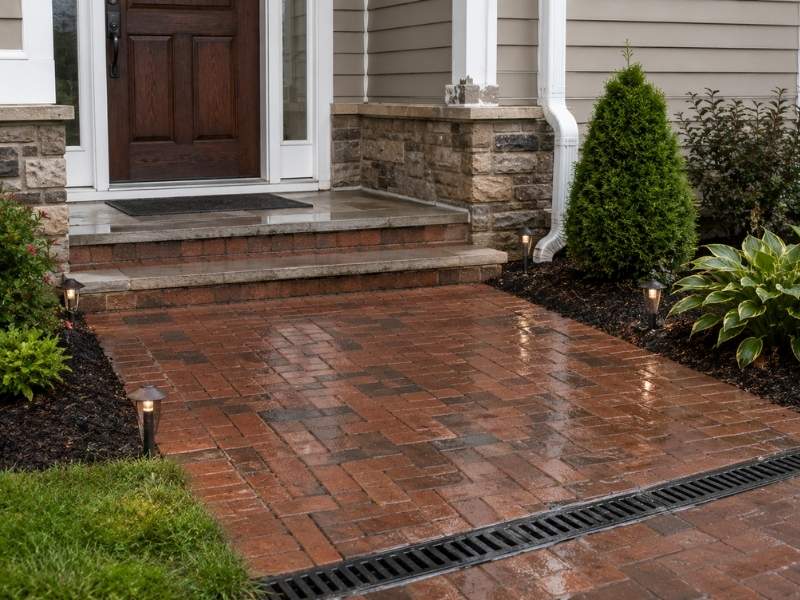
Drainage Performance Differences Between Paver Systems and Solid Slabs

Water acts very differently on a paver surface compared to a solid concrete slab.

A concrete slab blocks water completely. Water has nowhere to go except across the surface toward a drain or the edge of the slab. If the slope is even a little off, water pools right there.

A paver system handles water in a different way:

  1. Joint sand lets some rainwater filter down into the base layer instead of running off completely.
  2. A properly built gravel base beneath the pavers keeps that drainage path going deeper into the ground.
  3. Less water runoff means less strain on nearby drainage systems during heavy rain.
  4. Pooling happens less, even on a surface with a small slope, because some water drains straight down instead of only sideways.

Solid concrete slabs depend completely on surface grading to manage water. Get that grading wrong, and there’s no backup drainage path to help.

Repair Flexibility: Why Brick Pavers Are Easier to Maintain Than Concrete

Repairs show the biggest difference between these two materials.

Concrete repair options are limited:

  • Cracks can get filled, but the repair usually shows and doesn’t bring back full strength.
  • A damaged section often needs cutting out and repouring. This rarely matches the color or texture of the rest of the slab.
  • Full slab replacement is sometimes the only real fix for serious damage.

Brick paver repair works in a different way:

  • Damaged pavers can get pulled out and replaced one at a time, without disturbing the rest of the surface.
  • Sunken spots can get lifted, the base fixed, and the pavers set back in place.
  • Repairs blend into the surface much better, since the material and pattern already match.

For a property that needs to stay in good shape for many years, this repair flexibility often matters more than a small difference in upfront cost.

How Installation Methods Influence Lifespan and Surface Failure Risk

Both materials can last decades. Both can also fail early if installed poorly.

Concrete lifespan depends a lot on:

  • Proper base prep and packing before the pour.
  • The right concrete mix for the local climate and expected load.
  • Control joints placed at the right spacing to manage cracking.

Brick paver lifespan depends on:

  • A properly packed gravel base, usually four to six inches deep.
  • A leveling layer of coarse sand under the pavers.
  • Edge restraints that keep the outer pavers from shifting outward over time.

Both systems fail early when installers skip base prep to save time. The difference is that a failing paver system is usually easier and cheaper to fix than a failing concrete slab.

Frequently Asked Questions

Which lasts longer, brick pavers or concrete?

Both brick pavers and concrete can last several decades when properly installed. However, brick pavers often perform better in areas with shifting or expansive soil conditions.

Is concrete cheaper than brick pavers?

Concrete usually has a lower upfront cost. However, brick pavers can offset that difference over time due to lower repair costs and easier long-term maintenance.

Can cracked concrete be repaired to look like new?

Not usually. Concrete repairs are often visible because it is difficult to perfectly match the original color and texture once the slab has cured and aged.

Do brick pavers require more maintenance than concrete?

Brick pavers may require occasional joint sand refilling, but they generally need less major repair work over time compared to concrete surfaces.

Which option handles heavy rain better?

Brick paver systems typically handle heavy rain more effectively because joint sand and the gravel base allow some water infiltration instead of relying solely on surface runoff.

How a Brickmason Solves Complex Masonry Challenges

Brickmason repairing a damaged brick chimney on scaffolding using professional masonry techniques to solve complex masonry challenges.

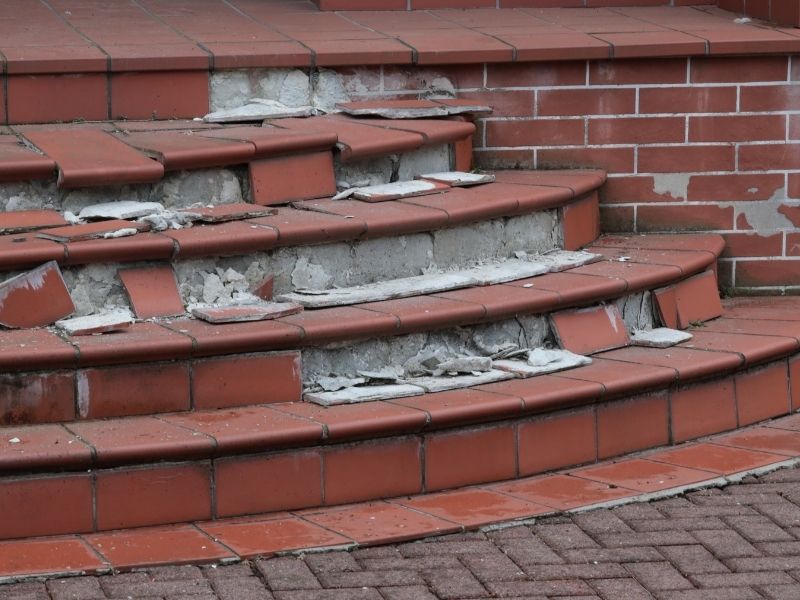
Most masonry jobs are straightforward, but some are anything but. A bulging wall, a cracked chimney high off the ground or a custom build can stump anyone but a brickmason who has seen it all. These harder jobs are where real skill shows, since there’s no standard fix to copy. A seasoned brickmason reads the situation, weighs the options and solves the problem without creating new ones. That judgment is what sets complex work apart from routine bricklaying.

Diagnose the Real Problem First

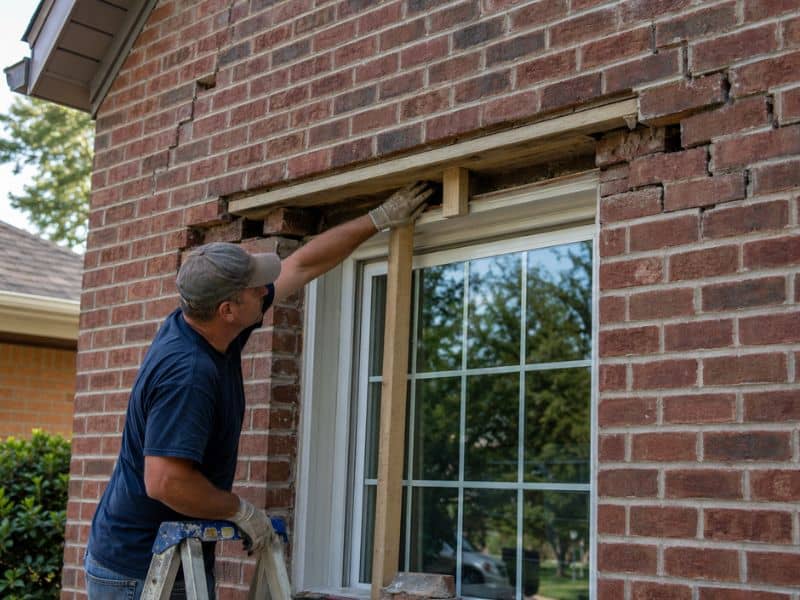
The hardest part of a tough masonry job is often finding the true cause. Cracks, leaning and crumbling are symptoms, not the disease. Treating the symptom alone wastes money. A skilled brickmason reads the pattern of damage to trace it back to the source.

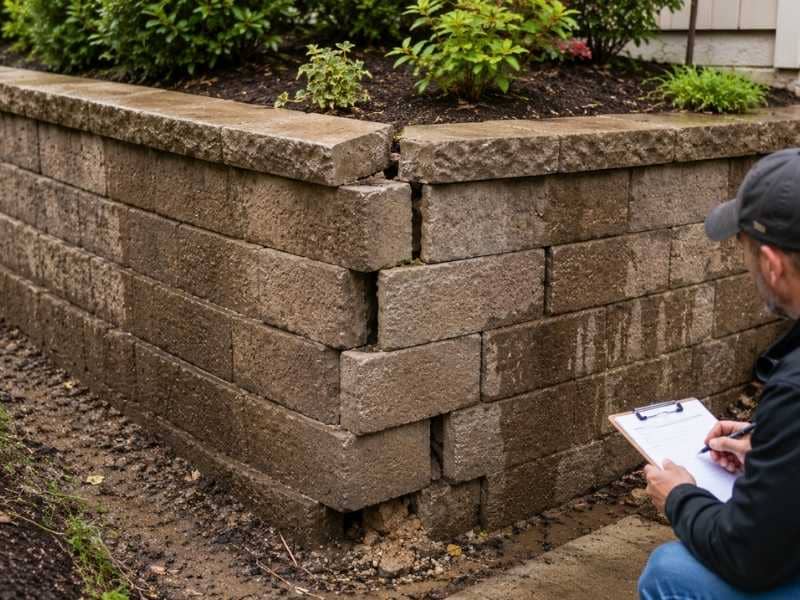
Different cracks tell different stories. Stair-step cracks through the mortar joints often point to foundation movement. Vertical cracks can signal overloading or settling. A bulge in a wall usually means moisture has gotten behind the brick and pushed it outward.

Finding the root cause shapes the whole repair. If water is the culprit, fixing drainage comes before any new brick goes up. A mason who skips this step ends up repairing the same wall again a year later.

Reach Difficult Spots Safely

Some of the toughest masonry sits in the hardest places to reach. Chimneys rise high above the roofline, tall walls climb past easy ladder height, and tight corners leave little room to work. Reaching these areas safely is a skill of its own.

A professional plans access before the repair begins. Proper scaffolding or staging gives a stable place to work, which matters more the higher the job goes. Rushing this setup is how accidents and sloppy work happen.

Height also changes how the work gets done. Materials have to be hauled up safely, and mortar has to be mixed and used before it sets in the open air. An experienced brickmason manages all of this so the repair up high matches the quality of work down low.

Stabilize and Rebuild Failing Walls

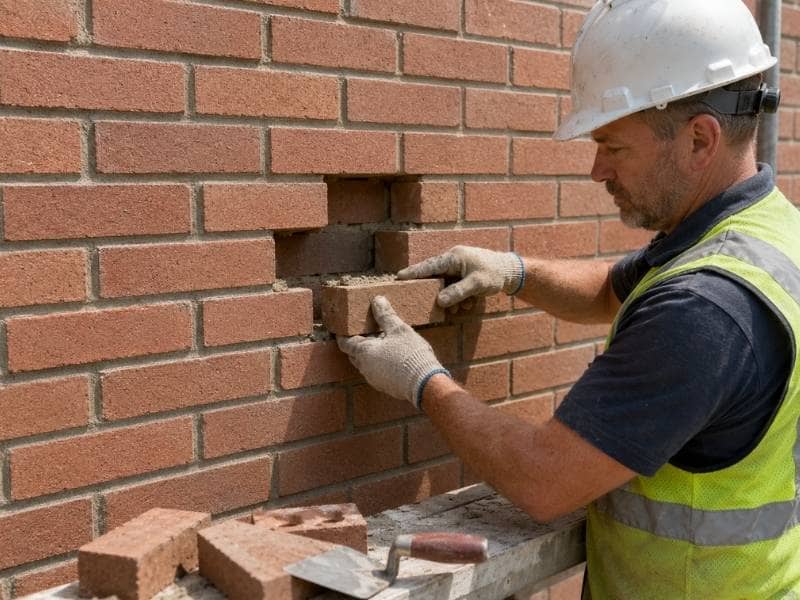
When a wall is already failing, the fix is bigger than swapping a few bricks. A section that bulges, leans or crumbles may need partial tear-down and rebuilding to make it sound again. This is delicate work, since the rest of the structure has to stay supported throughout.

A careful brickmason braces the surrounding masonry before removing the damaged part. Taking out a failing section without support can bring down more than intended. Temporary shoring holds everything in place until the new brick is laid and cured.

Rebuilding then restores both strength and looks. The mason ties the new section firmly into the sound brick around it, so the wall acts as one piece again. Done right, the repaired area carries its share of the load just like the original.

Build Custom Masonry Features

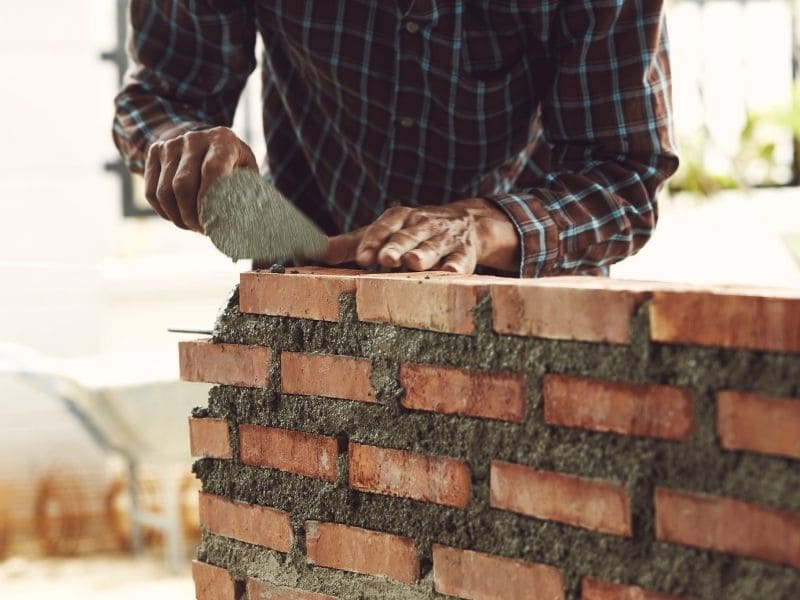
Custom work is where masonry turns from repair into craft. Arches over doorways, curved garden walls, columns and detailed steps all demand planning that standard straight walls don’t. There’s no kit for these, so the mason works them out by hand.

An arch is a good example. It needs a temporary form to hold its shape while the brick is laid. The bricks have to be cut and angled so they lock together under their own weight. Get the geometry wrong and the arch won’t stand.

Curves and columns bring their own puzzles. A curved wall takes careful brick spacing so the bend looks smooth rather than jagged. This kind of work rewards a mason who plans every course before lifting a trowel.

Reinforce Masonry for the Long Haul

Solving a complex problem means making sure it doesn’t come back. After a major repair, a good brickmason fixes the weaknesses that caused the trouble. That often means more than just new brick and mortar.

A few reinforcements make a lasting difference.

  • Steel lintels or proper arches over openings, which carry the weight that otherwise cracks unsupported brick above doors and windows.
  • Wall ties that lock the brick to the structure behind it, keeping a wall from bulging or pulling away.
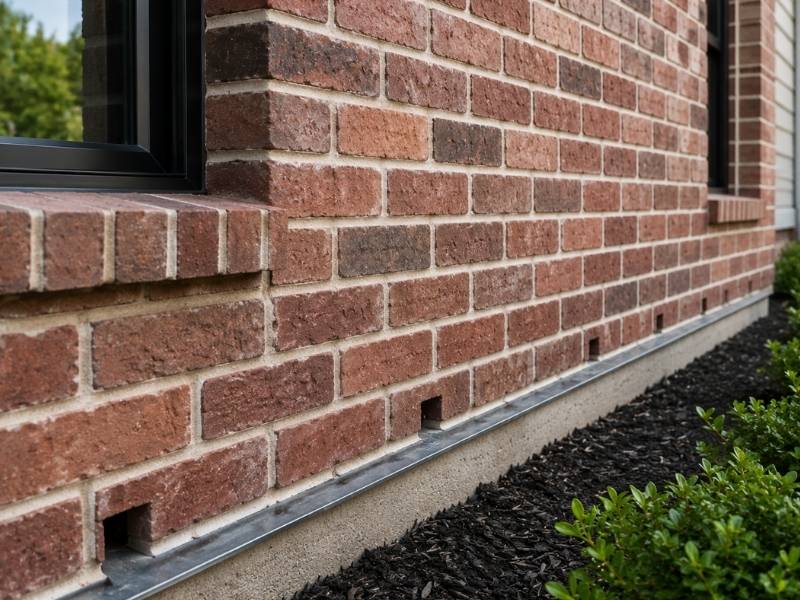
  • Weep holes and flashing that give trapped water a way out before it damages the brick.

These additions tackle the root causes rather than the symptoms. A wall that’s properly supported and drained holds its shape far longer. The mark of strong work is a repair that simply lasts.

Frequently Asked Questions

How does a brickmason find the cause of a masonry problem?

A mason studies the pattern of damage, since different cracks point to different causes. Stair-step cracks often mean foundation movement, while a bulging wall usually signals trapped water. Tracing the symptom to its source is what makes the repair last instead of returning.

Can serious cracks or bulging walls be repaired?

Yes, though serious damage often needs more than a patch. A mason may brace the area, remove the failing section and rebuild it tied into the sound brick around it. The key is fixing the underlying cause so the same damage doesn’t come back.

How do masons safely work on chimneys and tall walls?

They set up proper scaffolding or staging to create a stable place to work at height. Safe access matters as much as the masonry itself, since rushed setups lead to accidents and sloppy results. Good planning lets the work up high match the quality down low.

Can a brickmason build custom shapes like arches?

Yes, custom features such as arches, curves and columns are part of skilled masonry. An arch needs a temporary form and carefully cut brick so the pieces lock together and hold. This kind of work takes planning and a steady, experienced hand.

What makes a complex masonry repair last?

Lasting repairs fix the cause, not just the visible damage. Adding support over openings, tying walls to the structure and improving drainage all keep problems from returning. A repair built on solid diagnosis and reinforcement holds up for years.