Stone Mason Work for Outdoor Water Features Copings
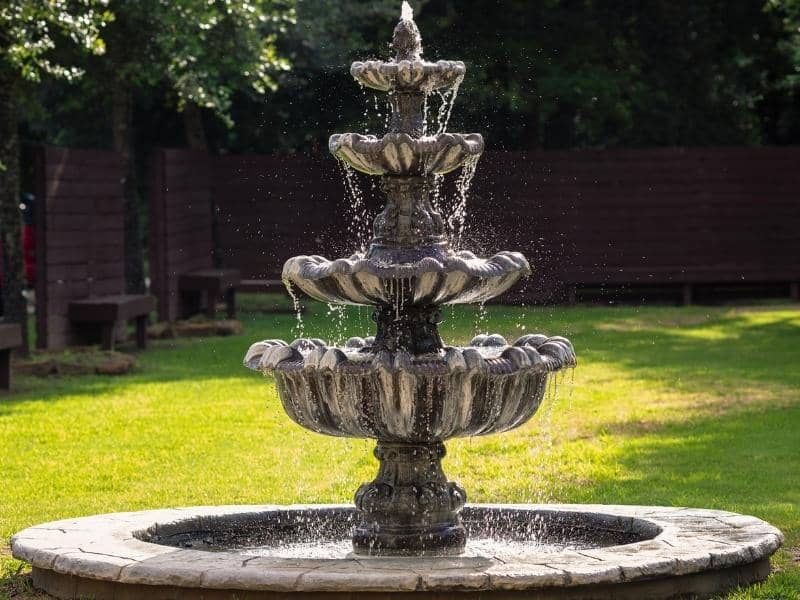
A pond, fountain, or reflecting pool draws the eye to one spot in the yard, and the stone around its edge does most of the visual work. That edge is called the coping. It’s the cap that finishes the top of the wall, hides the liner or shell, and gives people a solid place to sit or stand.
Coping looks simple, but it lives in a tough spot. It gets wet constantly, carries foot traffic, and sits right where water can work its way into joints. The best results come from a stone mason who picks the right stone, cuts it carefully, and sets it so water moves where it should.
Choosing Coping Stones for Outdoor Water Features
Good coping stone is dense, slip-resistant, and able to handle constant moisture. Softer, highly porous stones can stain, flake, or grow algae faster around water. A stone mason will usually start by asking how the feature is used and what the surrounding hardscape looks like.
Common coping choices include:
- Granite, which is very dense and holds up well to water and wear
- Bluestone, a popular flat stone with a clean, natural look
- Limestone, which offers a soft color but may need sealing
- Travertine, which stays cooler underfoot and has a textured surface
- Natural flagstone, which suits informal ponds and garden settings
Finish matters as much as stone type. Polished surfaces get slippery when wet, so thermal, honed, or brushed finishes are usually safer near water. If the feature uses treated or salt water, ask whether the stone you like resists those conditions.
Match the coping to nearby stone pavers, a stone patio, or existing stone masonry when you can. Using the same stone or a close tone makes the water feature look like it belongs in the yard. No one stone is always the best choice, and the right pick depends on looks, foot traffic, upkeep, and budget.
How a Stone Mason Shapes Coping for Curved Edges
Curved water features need coping cut to follow the radius, and that takes planning. Straight pieces set around a curve leave wide, uneven joints that look rough and let water in. A skilled stone mason cuts each piece to fit the arc instead.
Most curved coping starts with a template. The mason traces the curve of the wall or shell onto plywood or cardboard and uses it to mark each stone. Laying out the pieces dry before setting them shows how the joints will fall.
Each coping piece on a curve is usually cut into a slight wedge shape. The inner edge is shorter than the outer edge, so joints stay the same width all the way around. Tight curves need shorter pieces, while gentle curves can use longer stones.
The front edge, which faces the water, can be left natural, squared, or rounded. A rounded or bullnose edge looks finished and feels better to sit on. Ask to see a sample edge before the mason cuts the full set.
Setting Coping Stones with Consistent Overhangs and Joints
Coping should overhang the water slightly and keep even joints all the way around. The overhang hides the liner or wall top and creates a shadow line that makes the edge look crisp. Many water features use an overhang of roughly 1 to 2 inches, though the right amount depends on the design and stone thickness.
Consistency matters more than any exact number. If the overhang wanders, the edge looks crooked from every angle. A stone mason sets a string line or uses the template to keep each piece in line.
Joints should stay uniform in width and fully packed with mortar or the specified joint material. Thin, even joints look clean and leave less room for water to enter. Gaps that vary from piece to piece are one of the first signs of rushed work.
Coping is usually set on a full mortar bed over a solid wall or bond beam, which is a reinforced top course that ties the structure together. Hollow spots under the stone can lead to cracking or loose pieces later. The exact setting method can depend on the feature’s construction, liner type, and materials.
Managing Water Runoff Along Stone Coping Edges
Coping should shed rainwater away from the feature in most cases. Runoff from lawns, planting beds, and patios can carry soil, mulch, and fertilizer that cloud the water and feed algae. A slight slope on the coping away from the water helps keep that debris out.
Grading around the feature matters too. Soil and pavers next to the coping should drain away, not toward the water’s edge. If the feature sits low in the yard, a drain or swale may be needed to carry storm water around it.
Some coping is cut with a drip edge, a small groove under the overhang. The groove stops water from running back along the underside of the stone and into the wall. This small detail helps protect mortar joints and the liner connection over time.
Evaluate drainage early, before the coping is set. Once the stone is in place, fixing a grading problem often means pulling up surrounding pavers. Plan runoff paths alongside any nearby retaining wall, walkway, or patio.
Maintaining Coping Stability Around Outdoor Water Features
Stable coping starts with a solid structure below it. If the wall, shell, or base shifts, the coping will crack or loosen no matter how well it was cut. Ask your stone mason how the supporting wall and footing will be built before the coping is ordered.
Watch for early warning signs each season:
- Cracked or missing mortar joints
- Stones that rock or sound hollow when tapped
- Gaps between the coping and the liner or wall
- Staining or efflorescence, the white powdery deposits left by moisture
Clean coping with a soft brush and mild stone-safe cleaner. Avoid acidic cleaners and pressure washers set too high, since both can damage stone and joints. Sealing porous stones may help with staining, but the sealer should be suited to water contact.
Small repairs keep bigger ones away. Repointing a joint or resetting one loose piece costs far less than rebuilding a whole edge. If a stone shifts, have it reset before water gets under the surrounding pieces.
Frequently Asked Questions
What is coping on a water feature?
Coping is the stone cap that finishes the top edge of a pond, fountain, or pool wall. It hides the liner or wall structure and creates a clean edge. It also gives people a safe place to stand or sit. Good coping helps protect the wall below from water.
Which stone is best for water feature coping?
No single stone is best for every project. Granite and bluestone are popular because they’re dense and handle moisture well. Limestone and travertine can work but may need sealing. Your choice should reflect looks, foot traffic, upkeep, and budget.
Can coping be replaced on an existing water feature?
Yes, coping can often be replaced without rebuilding the whole feature. A stone mason will check the wall and liner condition first. Damaged mortar beds or shifting walls may need repair before new stone goes on. Water levels usually need to be lowered during the work.
Why does water feature coping crack or come loose?
Most problems come from movement or water. A shifting wall, hollow mortar bed, or poor drainage can loosen stones over time. Water getting into joints speeds up the damage. Solid support and good runoff control prevent most failures.
How often should stone coping be maintained?
Check coping at least once or twice a year. Look for cracked joints, loose stones, and staining. Clean gently and reseal porous stone as needed. Address small problems quickly before water spreads the damage.