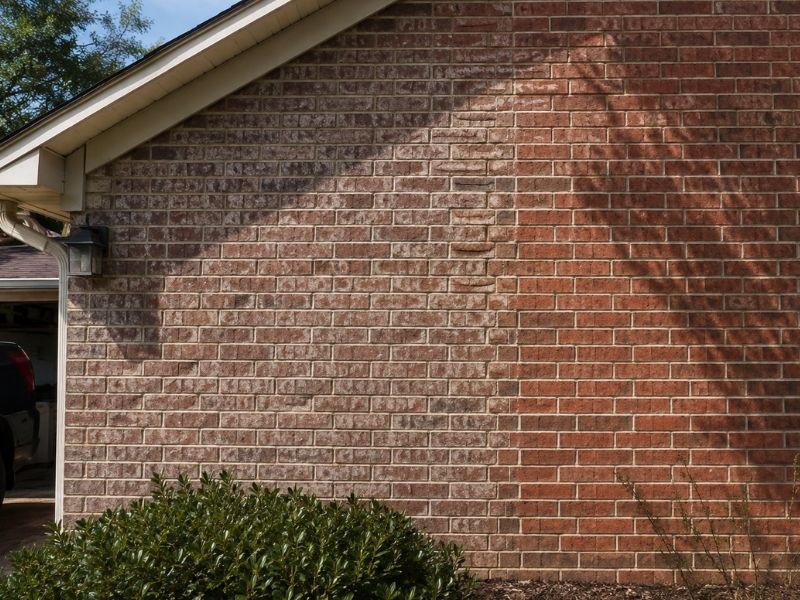
Homeowners notice it slowly. The brick color that looked deep and even on move-in day starts to look a little softer after a few years. One wall stays rich while another looks faded. Nothing about the house has changed, yet the outside tells a different story. Texas gets a lot of sun, and that sun does quiet work on masonry over time. The good news is that most of these changes are normal.
How Years of Texas Sun Exposure Can Affect Brick Color
Sunlight is the main reason brick color shifts as a home ages. McKinney sees hot, bright summers with long afternoons of direct light, and that steady exposure adds up. Ultraviolet rays slowly break down the pigments that give brick its tone. Over many seasons, the surface can look lighter or slightly grayed compared to how it started.
The change rarely spreads evenly. West- and south-facing walls take the strongest afternoon sun, so they usually fade first. Meanwhile, north-facing walls stay in shade for most of the day and hold their color longer. That’s why one side of a home can look noticeably different from another, even though every wall used the same brick.
Why Some Brick Colors Fade More Noticeably Than Others
Darker and richer brick colors tend to show fading more than lighter ones. Deep reds, browns, and charcoal tones start with more pigment, so even a small amount of change stands out against the original shade. Lighter tans and buffs shift too, but the difference is harder to see.
How the brick was made also matters. Some bricks get their color all the way through the clay, while others carry a colored coating or a mineral stain on the surface. Coated and stained bricks can fade faster because the color sits on the outer layer where the sun hits hardest. The type of pigment plays a role as well, since natural iron oxide colors usually age more gently than added dyes. Because of these differences, two homes on the same street can age in very different ways.
Sun Exposure and the Difference Between Surface Changes and Material Changes
Not every color change goes deep into the brick. Many shifts happen only on the surface, and those are the easiest to explain. A thin film of dust, pollen, mineral residue, or a white powdery buildup called efflorescence can dull the tone. Wipe or rinse a small spot, and the true color often shows through.
Material changes are different. When the pigment inside the brick itself fades from years of UV, no cleaning will bring the old shade back. Still, faded pigment does not mean the brick is failing. Color and strength are separate things. A wall can look lighter than it did ten years ago and still be solid, sound, and doing its job. Telling surface changes apart from material changes helps you know whether you’re looking at a cosmetic issue or something worth a closer look.
How Surrounding Features Can Create Uneven Brick Color Changes
Shade shapes how brick ages just as much as the sun does. Roof overhangs, deep porches, tall trees, and even a neighbor’s house can shield parts of a wall from direct light. Those protected sections keep their color while the exposed areas around them slowly lighten. Over the years, this creates soft lines or patches where sun and shade meet.
You might see it under an eave, behind a shrub, or along a wall that a fence partly covers. The brick in the shadow looks like the “before,” and the brick in the open looks like the “after.” Sprinklers, gutters, and runoff can add to the pattern by leaving mineral marks on some spots and not others. None of this points to a defect. It’s simply the result of different parts of the home living under different amounts of sun and water.
What Homeowners Can Do When Brick Color Changes Become More Noticeable
Start by figuring out the cause before you think about any repair or cleaning. Walk the outside of the home and compare the shaded walls to the sunny ones. If the difference lines up with sun exposure, fading is the likely answer. If the color change follows drip lines, sprinkler spray, or a stain that runs downward, water or residue is probably the real cause.
Look closely for white powder, dark streaks, green algae, or crusty buildup on the face of the brick. These clues often explain a color shift that has nothing to do with the sun. Take a few photos in the same light over several months so you can track whether the change is slow and even or sudden and patchy. When the cause stays unclear, or when the brick shows cracks, flaking, or crumbling along with the color change, a mason can check whether the surface needs attention. Sorting out the reason first saves money and keeps you from treating a simple sun-fade like a bigger problem.
Frequently Asked Questions
Why does brick color change after years of sun exposure?
Sunlight carries ultraviolet rays that slowly break down the pigments in brick. Over many seasons, those pigments lose some of their depth, so the surface looks lighter or slightly duller. Hot, sunny regions like McKinney speed this up because walls get long hours of direct light. The change is gradual and usually cosmetic rather than a sign of damage.
Does the Texas sun cause all types of brick to fade?
Most brick fades to some degree, but not all of it fades at the same pace. Bricks colored all the way through the clay tend to hold their tone longer than coated or surface-stained ones. Darker, richer colors also show change more clearly than pale tans and grays. So while the sun affects nearly every brick, the amount of visible fading depends on the brick itself.
Why is one side of my brick home a different color than another?
Each side of a house gets a different amount of sun during the day. West- and south-facing walls take the strong afternoon light, so they often fade first. North-facing walls sit in shade longer and keep their original color better. That uneven exposure is the most common reason two walls of the same brick end up looking different.
Can uneven sun exposure make brick color changes more noticeable?
Yes, uneven exposure is one of the biggest reasons color shifts stand out. When part of a wall sits under an overhang or behind a tree, that shaded area stays darker while the open area lightens. The contrast between the two makes the fading easier to spot. This is normal aging, not a flaw in the brick or the wall.
Does fading brick mean the masonry is damaged?
Faded color and damaged masonry are two different things. A wall can lose some of its original tone from years of sun and still be strong and stable. Real trouble shows up as cracks, flaking, crumbling, or loose mortar, not just a lighter shade. If color change comes with any of those signs, it’s worth having a professional take a look.
