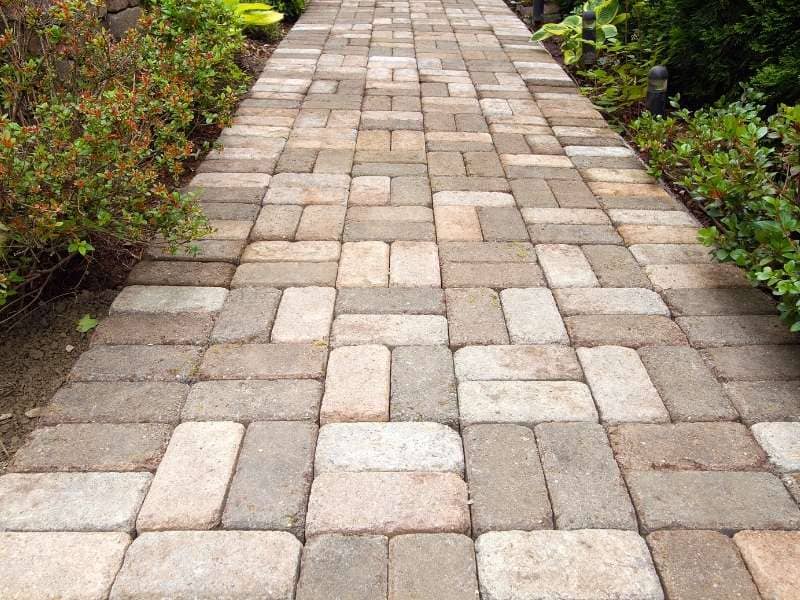
A patio usually fails from the bottom up. The brick or stone on top gets the attention, but cracked joints, sunken pavers, and standing water almost always trace back to soil, base, and drainage. Pick the right material for the wrong site, and you’ll be patching it within a few years.
The good news is that durable outdoor surfaces aren’t a mystery. Start with an honest look at your site, choose a material that suits how you’ll use the space, and plan the grades before anything gets ordered. This guide walks homeowners and builders through each of those steps.
Assessing Site Conditions Before Choosing Outdoor Materials
Site conditions decide how long an outdoor surface will last. Soil type, slope, sun exposure, and existing drainage all affect what will hold up and what won’t. Spend time on this step before you fall in love with a material sample.
Soil is the first thing to check. Clay soils can swell when wet and shrink when dry, which puts stress on rigid surfaces like poured concrete. Sandy or loamy soils drain better but may need more compaction to support heavy traffic.
Next, watch how water moves across your yard during a heavy rain. Note where it collects, where it runs toward the house, and where downspouts empty. Those patterns tell you a lot about where a walkway or patio can go and how much grading work it’ll need.
Sun and shade matter too. Dark surfaces in full sun can get uncomfortably hot underfoot. Shaded areas may stay damp longer, which can lead to moss or slick spots on some stone.
Comparing Durable Materials for Walkways and Gathering Areas
Each material has strengths and trade-offs. The best choice depends on traffic, budget, style, and how much upkeep you’re willing to handle. Here’s how the most common options compare.
Clay brick pavers are fired at high heat, which makes them dense and colorfast. Their color runs all the way through, so chips and wear don’t show a different shade underneath. They work well for walkways, patios, and areas near older brick homes where a matching look matters.
Planning Drainage and Grades Around Outdoor Hardscapes
Good drainage is what keeps outdoor surfaces level and intact. Every walkway and patio needs a slight slope so water runs off instead of sitting on the surface or soaking the base. A common target is a gentle fall away from the house, though the exact slope depends on the site and the material.
The base layer matters just as much. Most paver and stone installations sit on a compacted gravel base that supports the surface and lets water drain through. Skimping on base depth or compaction is one of the most common reasons outdoor surfaces settle.
Think about where the water goes after it leaves the patio. It shouldn’t flow toward your foundation, a neighbor’s yard, or a low spot that already floods. Permeable pavers, French drains, or channel drains can help on tight or flat sites. Requirements for drainage and impervious cover can vary by city and HOA, so check before you finalize the plan.
Matching Materials to Site Design and Property Conditions
The right material fits both the site and the way you’ll use it. A front walkway carries daily foot traffic and needs firm, even footing. A backyard gathering area may hold furniture, a grill, or a fire feature, which calls for heat tolerance and stable support.
Match the look to your home as well. Brick pavers often pair well with brick exteriors, while natural stone suits homes with stone accents or a more rustic yard. Repeating a color or texture from the house helps the hardscape feel planned rather than added on later.
Consider long-term care too. Pavers and stone may need joint sand topped off or occasional sealing, depending on the product. Poured concrete needs less routine care but is harder to repair invisibly. Ask your installer for a realistic maintenance plan before you choose.
Coordinating Material Selection With Construction Planning
Material choice affects the whole construction schedule. Some stones and specialty pavers have longer lead times, especially in custom colors or large quantities. Order early so delivery doesn’t hold up excavation and base work.
Coordinate with other trades before work starts. Irrigation lines, landscape lighting, gas lines for fire features, and drainage pipes are much easier to install before the surface goes down. Call your local utility locating service before any digging, and confirm whether your project needs a permit or HOA approval.
If the hardscape sits near a property line, easement, or setback, confirm those limits first. A recent survey can show where you can build and help avoid moving finished work later. Planning these details early keeps the project on budget and the finished surface where it belongs.
Frequently Asked Questions
What is the most durable material for a walkway?
Clay brick pavers and quality natural stone are among the longest-lasting choices when installed over a solid base. Concrete pavers also hold up well and are easy to repair if a section settles. Poured concrete can last for years but is more likely to crack on soils that move. Durability depends as much on base preparation and drainage as on the material itself.
Are pavers better than poured concrete for a patio?
Pavers handle ground movement better because the joints allow slight flexing. Individual pieces can be lifted and reset if the base settles. Poured concrete often costs less upfront for large, simple areas. The better choice depends on your soil, budget, and how you want the space to look.
How do I keep my patio from holding water?
Make sure the surface slopes away from the house and toward a spot where water can drain. A properly compacted gravel base helps water move through instead of pooling underneath. Fix downspouts that empty onto the patio. If water still collects, a drain or permeable paver section may help.
Do outdoor surfaces get too hot in summer?
Darker materials absorb more heat and can get uncomfortable in full sun. Lighter colors and some natural stones tend to stay cooler underfoot. Shade from trees, pergolas, or covered areas also makes a big difference. Ask to see samples in direct sunlight before deciding.
Do I need a permit for a new patio or walkway?
It depends on your city, the size of the project, and whether it changes drainage or impervious cover. Some projects need no permit, while others require review. HOAs may also have their own approval process. Check with your local permit office and HOA before construction starts.
