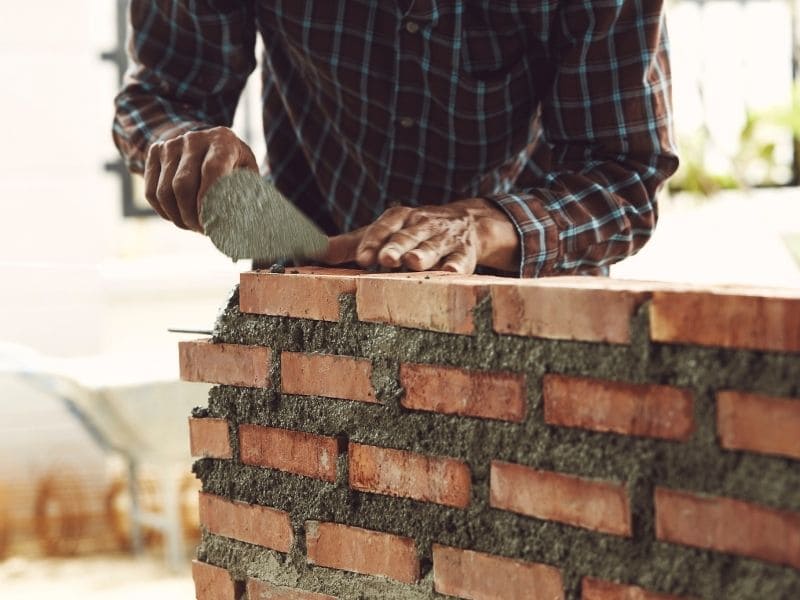
Brick and stone rarely fail all at once. A hairline crack, a little white powder, or a sandy mortar joint shows up first, and it sits there quietly until water finds it. A masonry inspection catches those early signs while the fix is still small. A few checks each year can keep walls, patios, steps, and outdoor features in good shape far longer.
This guide is for homeowners and property managers caring for brick masonry and stone masonry around the property. It covers what to look for, where problems usually start, and how to plan maintenance. Some issues need a professional’s eye, so call a mason when something looks structural or you’re unsure.
What to Look for During a Masonry Inspection
A masonry inspection looks for surface damage, mortar problems, cracks, movement, and signs of water. The goal is to spot changes early, before they spread or affect the structure. You don’t need special tools for a basic check, just good light, a notepad, and a camera.
Walk the property and look at every masonry feature. Take photos so you can compare from year to year. Include these areas:
- Brick or stone walls on the house and around the yard
- Brick patio and stone patio surfaces
- Brick pavers and stone pavers on walks and drives
- Steps, landings, and railings set in masonry
- Retaining walls and planters
- Outdoor kitchen, outdoor fireplace, and chimney exteriors
- Columns, mailboxes, and decorative features
Start at the top of each feature and work down. Caps, crowns, and top courses take the most weather. Problems there often show up lower down later.
Checking Brick and Stone for Early Surface Damage
Early surface damage usually shows as flaking, staining, white deposits, or worn edges. These signs often point to moisture problems. Catching them early can prevent deeper damage.
Spalling is when the face of a brick or stone flakes, pops off, or crumbles. It often happens when trapped water freezes and expands, or when salts build up inside the material. Note where it happens, since it can point to a water source nearby. Efflorescence is a white, powdery deposit left when water carries salts to the surface and evaporates. It’s often cosmetic, but it shows water is moving through the masonry. Find out where the water is coming from before cleaning it off. Dark streaks, rust stains, or green growth can signal water running where it shouldn’t. Worn or chipped edges on steps and pavers can become trip hazards. Mark them for repair before they get worse.
Inspecting Mortar Joints, Cracks, and Loose Materials
Mortar joints are the first line of defense against water, and they wear faster than most brick and stone. During an inspection, look for joints that are recessed, crumbling, cracked, or missing. If a screwdriver scrapes mortar out easily, the joint needs attention.
Repointing means removing worn mortar to a set depth and replacing it with fresh mortar. The new mortar should be compatible with the existing masonry, since mortar that’s too hard can damage older brick or stone. Leave that judgment to an experienced mason.
Not every crack means trouble, but some patterns deserve attention. Stair-step cracks along mortar joints can point to settling or soil movement. Cracks that widen, run through the brick or stone, or come with bulging deserve a professional look soon. Check for loose bricks, rocking stone caps, shifting pavers, and wobbly steps. Loose pieces let water in and can fall or cause trips. Reset or secure them before the problem spreads.
How Drainage and Moisture Affect Masonry Durability
Drainage and moisture control how long masonry lasts more than almost anything else. Water carries salts, softens mortar, undermines bases, and expands when it freezes. Keeping water away from masonry is the best maintenance you can do.
Look at how water moves around each feature. Check after a rain if you can. Pay attention to:
- Gutters and downspouts that overflow or drain against walls
- Sprinklers spraying brick or stone surfaces
- Low spots where water pools on patios or walkways
- Soil or mulch piled against walls
- Blocked weep holes in brick veneer
- Drain outlets at the base of retaining walls
Weep holes are small openings near the bottom of brick veneer that let trapped water escape. Keep them clear of mulch, soil, and debris. Retaining walls need working drainage behind them too, and the right setup depends on the wall design and the site.
Planning Routine Maintenance to Preserve Masonry Features
Routine maintenance works best on a schedule. Many homeowners do a full walk-around once or twice a year, often in spring and fall, plus a quick check after major storms. Write down what you find so changes are easy to spot.
Some tasks you can handle yourself, like clearing weep holes, adjusting sprinklers, sweeping joints, and gently cleaning surfaces. Use gentle cleaning methods, since pressure washing and harsh acids can damage brick, stone, and mortar. Test any cleaner in a hidden spot first.
Other tasks call for a mason, including repointing, replacing damaged brick or stone, resetting caps, and addressing cracks or leaning walls. A professional masonry inspection every few years can catch problems you might miss. Ask for a written list of findings so you can plan repairs over time.
Frequently Asked Questions
How often should I have a masonry inspection?
A quick self-check once or twice a year works for most homes. Look again after big storms or whenever you notice changes. A professional inspection every few years can catch hidden problems. Older or exposed features may need more frequent checks.
What does efflorescence mean for my brick?
Efflorescence means water is moving through the masonry and leaving salts behind. It’s often cosmetic, but the water source deserves attention. Fixing drainage or leaks usually reduces it. Try cleaning it gently with a dry brush first.
When is a crack in brick or stone serious?
Cracks that widen, run through the units, or come with leaning or bulging need a professional look. Stair-step cracks can point to settling. Small hairline cracks may be minor. Track cracks with photos and measurements over time.
Can I pressure wash my brick patio or stone walls?
Pressure washing can damage brick faces, stone surfaces, and mortar joints if it’s too strong. Gentle methods are usually safer. Some surfaces tolerate low pressure, while others don’t. Ask a mason before using high pressure or strong chemicals.
How do I know if mortar joints need repointing?
Look for joints that are recessed, crumbling, cracked, or missing. If mortar scrapes out easily, it’s probably worn. Repointing restores the joint and helps keep water out. A mason can match the new mortar to your existing masonry.
