A good masonry contractor can turn an empty patio edge into the spot everyone wants to sit, and a custom stone bench is often the simplest way to do it. Built-in seating saves space, outlasts most outdoor furniture, and ties the patio to the rest of the yard. Built wrong, though, it can settle, crack, or trap water against the patio.
Plan the bench as a permanent part of the patio. Think about where people will sit, how big the bench should be, what stone fits, and how water will drain. Those choices decide whether the bench feels comfortable and lasts.
Choosing the Right Location for a Custom Stone Patio Bench
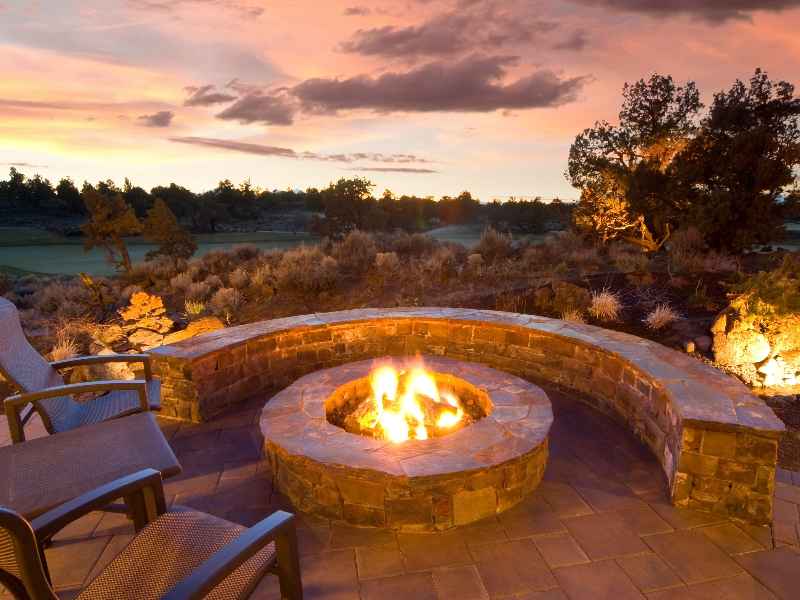
The best spot is where people already want to sit. Look for a patio edge with a view, some afternoon shade, or a natural pull toward a fire pit or outdoor kitchen. A bench that faces the yard or an outdoor fireplace gets used far more than one tucked against a fence.
Watch the traffic flow. A bench shouldn’t block doors, grill access, or the path between the house and the yard. A masonry contractor can mark the outline with paint or string so you can walk around it before anything is built.
Look at what’s below and beside the spot. Along a patio edge where the yard slopes up, a bench can double as a low retaining wall. That works well, but it changes how the bench has to be built and drained.
Designing Stone Bench Dimensions for Comfort and Functionality
Comfort comes down to height and depth. Many outdoor benches land near standard chair height, with a seat deep enough to sit back without the edge digging into your legs. Your mason can stack a few stones or blocks so you can test the height first.
Decide whether you want a backrest. A bench against a wall or planter gives built-in support, while a freestanding bench lets people sit from either side. Long benches may need a break or end post so they don’t look heavy.
Think about extra uses too. Some homeowners add storage, planters, or a wider cap that holds drinks. Plan those details before the base goes in, because adding them later is hard.
Masonry Contractor Selects Stone Materials Existing Patio Surfaces
The bench should look like it belongs with the patio. On a stone patio, matching or blending with that stone keeps the space calm. On a brick patio, a stone bench with a brick base or brick accents can tie the two materials together.
Each stone has trade-offs. Limestone has a soft, smooth look, flagstone gives a natural edge, and dark stone caps can get hot in full sun. Your masonry contractor can set samples next to your stone pavers or brick pavers so you see the match in real light.
Budget and upkeep matter as well. Some stones stain more easily, and some need sealing. Choose based on appearance, maintenance, and the masonry already in your yard.
How a Masonry Contractor Builds a Stable Stone Bench
A solid bench starts below ground. The crew digs out soft soil and sets a footing or compacted base sized for the bench and the site. Soil conditions, bench weight, and the project design decide what kind of footing is needed.
The core is usually concrete block or solid stone. Block cores get a stone veneer, while dry-stacked or mortared benches use stone all the way through. Either way, the mason checks level on every course so the seat stays flat.
The cap goes on last. It’s set in mortar or a masonry adhesive with a slight overhang to shed water. If the bench sits on an existing patio, the mason should confirm that the slab or base can carry the extra weight.
Masonry Contractor Plan Drainage and Maintenance Around Built-In Patio Seating
Water needs a clear path around the bench. A bench set across the patio’s slope can block runoff and push water toward the house. Leave gaps or add small drain openings where the bench meets the patio surface.
Caps should shed water away from seating and joints. Seal porous stone if your mason recommends it, and check the joints each year for cracks. A masonry contractor can repoint mortar or reset a loose cap before water causes bigger damage.
Routine care is simple. Sweep off leaves, clean spills quickly, and rinse the stone a few times a year. Keep sprinklers from soaking the bench so minerals don’t stain the face.
Frequently Asked Questions
How tall should a stone patio bench be?
Most outdoor benches sit close to standard chair height. That lets people sit and stand without strain. Cap thickness and any cushions change the final height. Test a mockup before the base is built.
Can a stone bench be added to an existing patio?
Yes, many benches are added to existing patios. The mason checks whether the slab or paver base can carry the weight. Some benches need their own footing cut through the patio edge. Drainage across the patio also has to stay clear.
Should a stone bench match my patio surface?
It doesn’t have to match exactly, but it should blend. Matching stone looks unified, while a contrasting cap or base can add interest. Compare samples next to your patio in daylight. Think about the materials already on the house and yard before deciding.
How long does a built-in stone bench last?
A well-built stone bench can last for decades with basic care. A solid footing and good drainage matter more than the stone type. Cracked joints and loose caps should be fixed quickly. Yearly checks keep small problems from growing.
Can I build a stone bench myself?
A small dry-stacked bench can be a DIY project, but built-in benches with footings, mortar, and caps are best left to a pro. A masonry contractor knows how to prepare the base, match the stone, and plan drainage. Mistakes in the base usually show up later as cracks or settling. Ask for photos of past bench work before you hire anyone.
