How Proper Surface Preparation Affects Masonry Project Results
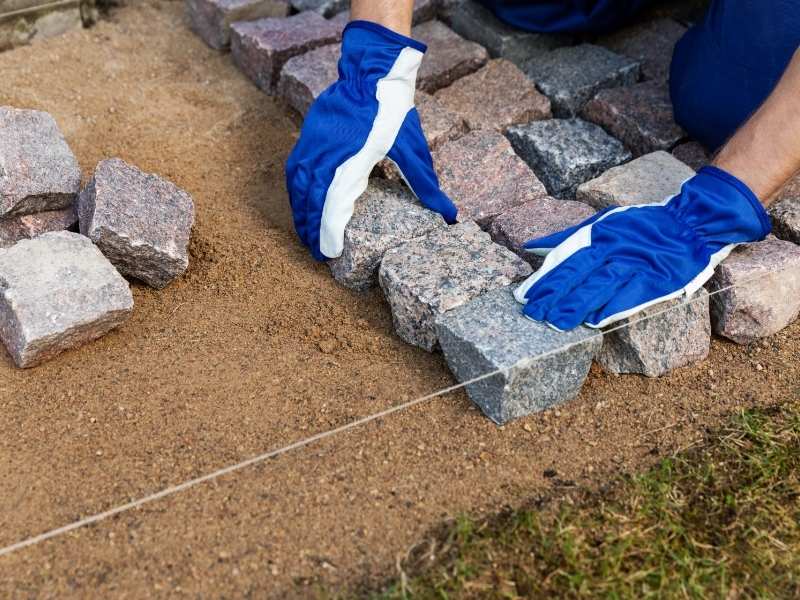
Most paver problems start below the surface. A new walkway can look sharp on the day it’s finished and still sink, shift, or hold water a few seasons later. That damage usually traces back to the soil and base under the pavers.
Surface preparation is the part of a masonry project you won’t see once it’s done. It’s also the part that decides how long everything on top will last. If you’re planning a brick patio, stone walkway, retaining wall, or outdoor kitchen, the prep plan deserves as much attention as the materials you pick.
Why Surface Preparation Matters Before Masonry Installation
Surface preparation is all the work that happens before brick or stone goes down. That includes clearing the area, digging out soft soil, shaping the grade, compacting the ground, and building a stable base. It also means planning where water will go when it rains.
Skipping or rushing these steps causes most of the failures homeowners call about. Pavers settle into low spots. Joints open up and fill with weeds. Walls lean when water builds up behind them, and mortar joints crack when the ground below moves.
Good brick masonry and stone masonry depend on what’s underneath. Even skilled installation can’t make up for soft soil or poor drainage. A solid prep plan gives the finished work a fair chance to perform.
Preparing the Base for Brick and Stone Pavers
A paver base is a layer of compacted crushed stone that spreads weight and keeps the surface flat. Most sand-set walkways and patios use a crushed stone base, a thin layer of bedding sand, and an edge restraint to keep pavers from drifting. The right depth depends on your soil, the expected traffic, and the material you choose.
Brick Pavers vs. Stone Pavers
Brick pavers are uniform in size and thickness, which makes them easier to set on a flat, even base. Natural stone can vary in thickness from piece to piece. Some stone pavers are set in sand like brick, while thinner flagstone is often set in mortar over a concrete slab.
Neither material is always the better choice. The decision usually comes down to appearance, foot traffic, upkeep, existing masonry on the property, and budget. Your contractor should explain how the base changes with each option before you commit.
Walkway Layout and Width
Layout starts with how people actually move through the yard. Look at the paths worn into the grass, the doors people use most, and the spots where guests gather. A main walkway usually needs room for two people to pass comfortably, while a garden path can be narrower.
Width affects the base too. Wider paths need more excavation and more base material. It’s easier to settle the layout early than to widen a finished walkway later.
Planning Drainage, Grades, and Walkway Transitions
Drainage and grading decide where rainwater goes once the masonry is in place. Surfaces should be pitched slightly so water runs off instead of pooling. That water also needs a clear path away from the house, walls, and other structures.
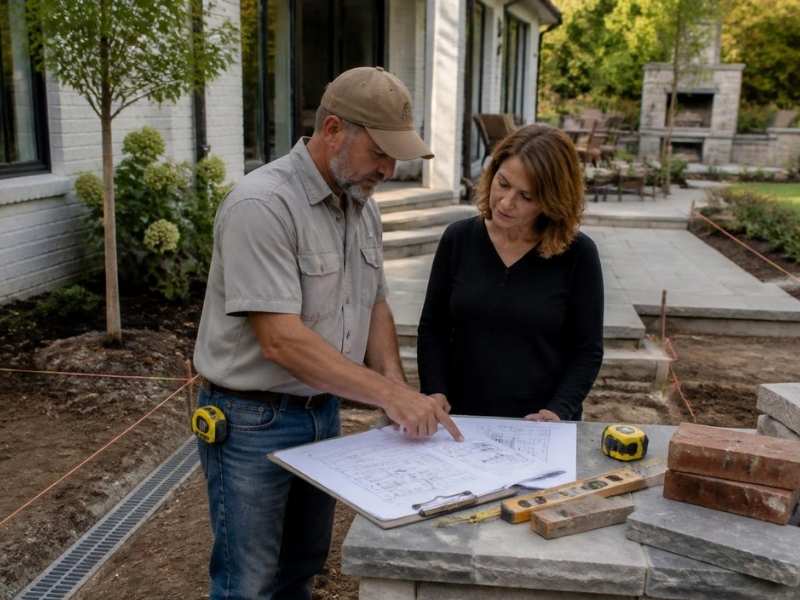
Heavy rain exposes grading mistakes fast. A patio that tilts toward the foundation or a walkway that dams water against a flower bed will cause trouble. Ask your contractor to show you the planned slope and the direction water will flow.
Connecting Separate Areas of the Yard
A well-planned walkway ties separate spaces together. It can link a front entrance to a side gate, a patio to a garden, or a seating area to an outdoor kitchen or outdoor fireplace. Each of those connections is a transition point, and each one needs its own planning.
Transitions should sit at matching heights so nobody catches a toe on an uneven edge. Where a new walkway meets an existing brick patio or stone patio, the older surface should be checked first. If it has already settled or cracked, tying new work into it can carry those problems forward.
Changes in elevation take extra thought. A gentle slope may only need careful grading. A steeper drop may call for steps or a retaining wall, and taller walls may need review by an engineer depending on height, soil, and local code.
Surface Preparation for Patios, Walls, and Outdoor Features
Different features call for different prep. A patio covers a large area, so drainage and even compaction matter across the whole surface. Small soft spots can turn into dips that are hard to fix once pavers are set.
A retaining wall holds back soil, so the prep focuses on a level, compacted footing and a way for water to drain from behind the wall. Trapped water adds pressure that can push a wall out of line over time. Drainage stone and pipe details depend on the wall design and site conditions.
Outdoor kitchens and outdoor fireplaces are heavy, and they often need a concrete slab or footing sized for the load. Gas lines, electrical runs, and drainage should be planned before any foundation work begins. Moving them later usually means cutting into finished masonry.
How Proper Preparation Improves Durability and Maintenance
Proper surface preparation means fewer repairs over the life of the project. A stable base keeps pavers level and joints tight. Good drainage limits the washouts, heaving, and staining that come from standing water.
Maintenance gets simpler as well. Well-built paver surfaces usually need only routine sweeping, occasional joint sand, and quick attention to any loose pieces. Walls and fireplaces built on solid footings are less likely to develop the cracks that lead to brick repair.
A short conversation before work starts can prevent costly surprises. Good contractors welcome these questions and answer them plainly. Ask about the following points:
- How deep the excavation will go and why
- What base material will be used and how it will be compacted
- Which direction water will drain
- How new work will meet existing patios, steps, or walls
- What maintenance the finished surface will need
Frequently Asked Questions
What does surface preparation include for a masonry project?
Surface preparation covers everything done before brick or stone is installed. That usually means clearing, excavating, grading, compacting soil, and building a base. It also includes planning drainage and edge restraints. The exact steps depend on the site, the material, and the type of project.
How deep should a paver base be?
Base depth varies with soil type, expected traffic, and the pavers being used. A garden path with light foot traffic usually needs less base than a patio or driveway. Soft or clay-heavy soil may call for deeper excavation. Your contractor should explain the depth planned for your specific site.
Why are my pavers sinking or uneven?
Sinking pavers usually point to a base problem. The base may have been too thin, poorly compacted, or washed out by water. Tree roots and poor drainage can also shift pavers over time. Lifting the affected area and rebuilding the base is often the fix.
Are brick pavers or stone pavers easier to maintain?
Both can hold up well when the base is built correctly. Brick pavers are uniform, so loose pieces are simple to reset. Stone varies more in shape and thickness, which can make repairs more involved. Upkeep also depends on the finish, joint material, and how much shade and moisture the area gets.
Can a new walkway connect to my existing patio?
In many cases, yes. The existing patio should be checked for settling, cracks, and drainage issues first. If the old surface is stable, the new walkway can be matched in height and style. If it isn’t, repairing it before connecting to new work usually saves trouble later.