Stone veneer is one of the easiest ways to give a house more character without a full remodel. It costs less than real stone, weighs less too, and it can turn a plain wall into the best part of your front yard. Homeowners often add it around the front door, on a porch column, or across one accent wall. If you already have a construction survey of your property, this is a good time to pull it out. It tells you where your lot lines, walls, and utility lines sit, so your contractor can plan the stone work without surprises.
Choosing Stone Veneer That Fits the Home’s Exterior Style
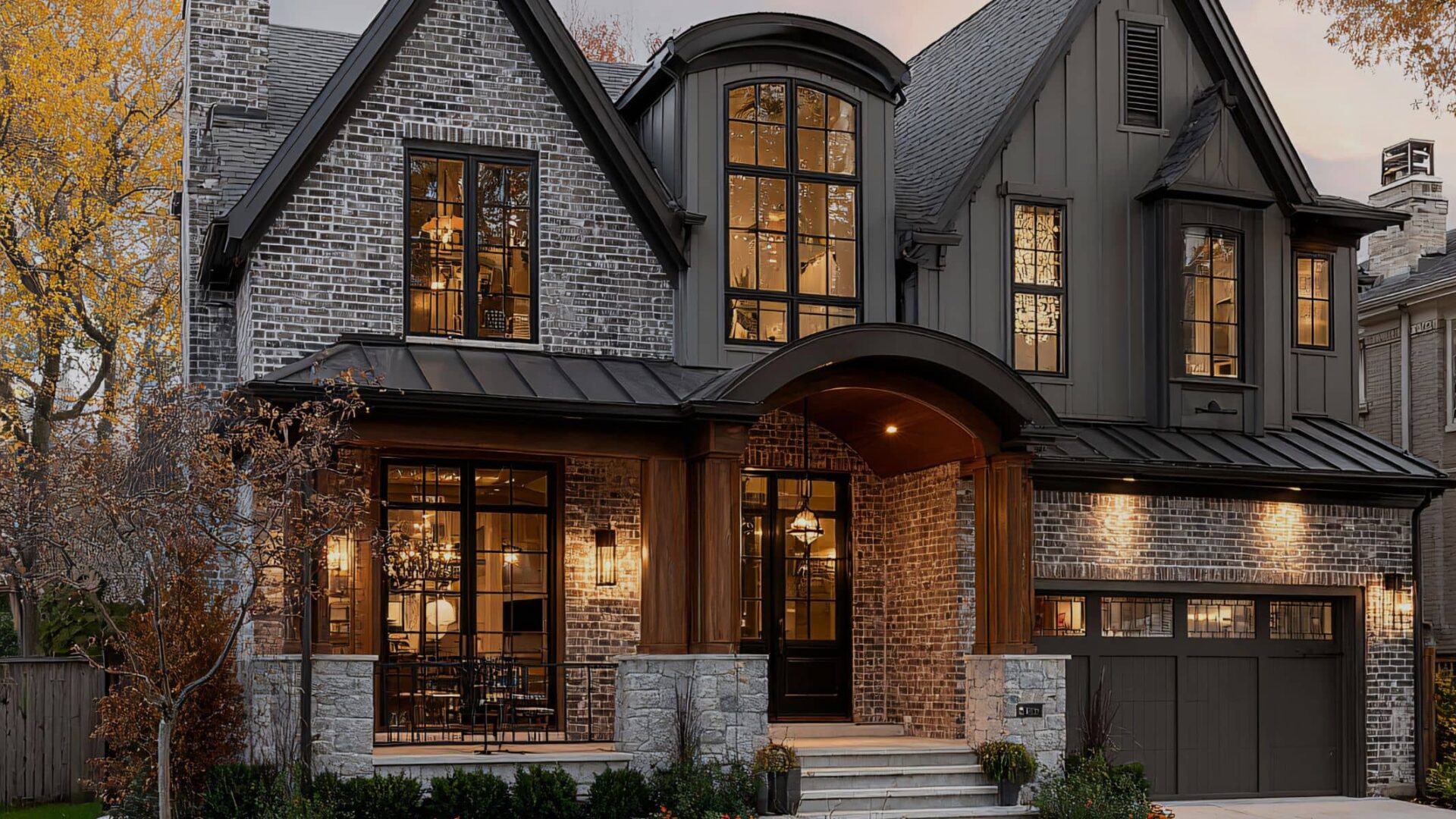
Not every stone works with every house. A rugged, rough-cut stone looks great on a farmhouse but can feel out of place on a sleek modern build. Before you pick anything, look at your home’s current colors and shapes. Brick homes usually pair well with warm gray or tan stone. Homes with dark trim can handle a bolder, darker stone without looking too heavy.
Texture matters just as much as color. Smooth, flat stone gives a cleaner, more modern feel. Rough, jagged stone brings a more natural, cabin-style look. Pattern counts too. Some stone comes in even rows, like bricks. Other stones are stacked randomly, which feels more organic. Bring home a few sample pieces and set them against your siding in daylight. Colors can look very different indoors than they do outside.
Where Decorative Stone Features Add the Most Visual Impact
Stone veneer works best when it draws the eye to one spot instead of covering everything. The front entry is the most common choice. A stone surround around the door frames it and makes it the star of the whole exterior. Porch columns are another strong option, especially on homes with covered front porches, which are common across McKinney neighborhoods.
An accent wall near the garage or below a window can also break up a large, flat surface. Some homeowners choose a stone base that wraps around the bottom third of the house, which adds weight and grounds the design. The goal is balance. Too little stone can look like an afterthought. Too much can hide the architecture you’re trying to highlight. Pick one or two spots and let them stand out.
Preparing the Existing Surface for Stone Veneer Installation
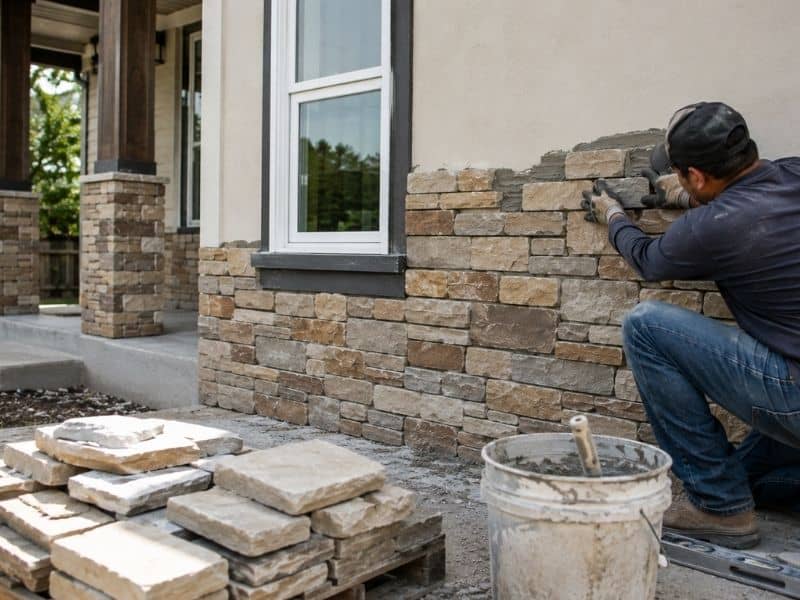
The surface underneath your new stone matters more than most homeowners expect. Wood siding, stucco, and brick each need different prep work before installation can begin. A contractor will usually check for soft spots, cracks, or old paint that could keep the stone from sticking properly.
Moisture is the biggest concern. If water gets trapped behind the veneer, it can cause damage over time that you won’t see until it’s already serious. That’s why a weather-resistant barrier and proper flashing go in before a single stone is placed. If your home has any past water stains, warped boards, or bubbling paint, those areas need to be fixed first, not covered up. Skipping this step is one of the most common reasons stone veneer fails early.
How Stone Veneer Changes the Look of Exterior Renovations
Adding stone during a bigger renovation changes more than just one wall. It shifts the balance of the whole exterior. A house with plain siding can suddenly feel more grounded once stone appears near the base or the entry. The texture contrast alone makes flat siding look sharper by comparison.
This is also why coordination matters. New stone should work with your existing trim color, your front door, and your roof shade, not fight against them. If you’re planning other updates at the same time, like new siding or a repainted door, choose those colors first. Then match the stone to that palette instead of the other way around. A renovation looks planned when every piece points back to the same overall style.
Maintenance Considerations for New Decorative Stone Features
Stone veneer doesn’t need much upkeep, but it isn’t maintenance-free either. Rinsing it with a garden hose a few times a year keeps dirt and pollen from building up. For tougher grime, a soft brush and mild soap work fine. Avoid pressure washers on close range, since they can wear down the joints between stones.
Check the veneer once or twice a year for cracks, loose pieces, or discoloration. These small issues are easy to fix early but can turn into bigger repairs if ignored. Keep an eye on the area right below the stone too. If you notice soft ground, pooling water, or plant growth pressed against the base, move sprinklers or plants away so moisture doesn’t sit against the surface.
