
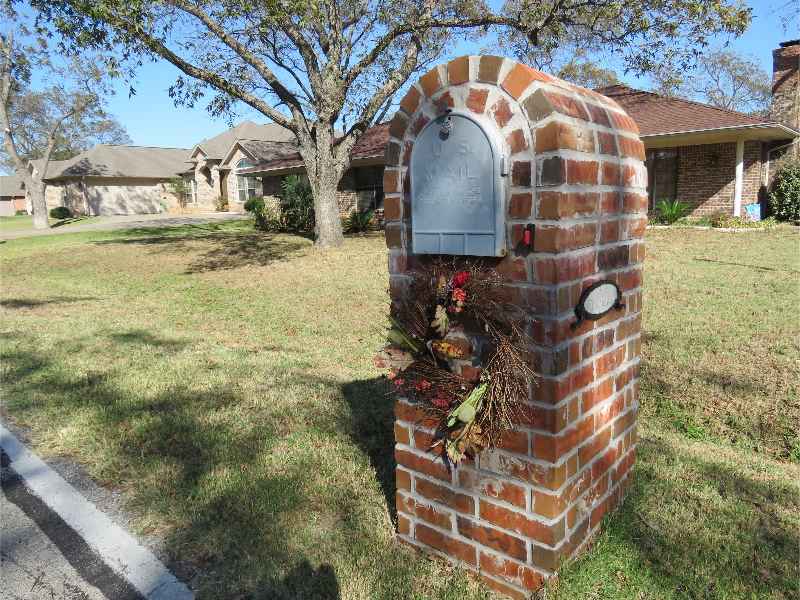
Mailbox repairs often start with a bent or rusted door and end up involving the masonry around it. A brick or stone mailbox takes hits from cars, mowers, storms, and plenty of daily slamming. When the door finally fails, swapping it out can disturb the bricks and mortar that hold the frame in place.
That’s why a door replacement deserves a closer look than most homeowners give it. A loose frame, a cracked joint, or a small gap can let water into the column and lead to bigger problems. Checking the opening, fixing the masonry, and sealing the new door properly keeps the whole mailbox solid for years.
Checking the Mailbox Opening for Damage Around the Door Frame
Start by looking at the opening once the old door is out. Check the brick or stone edges for chips, cracks, or pieces that moved. Look at the top of the opening as well, since the masonry above it often rests on the frame or a small steel support.
Rust is a common culprit. Old steel frames can rust and expand inside the mortar, which pushes bricks apart and cracks joints. If you see orange staining or swollen metal, the frame may have been damaging the column for a while.
Measure the opening before buying a replacement. Mailbox doors and frames come in different sizes, and older columns may not match current products. A door that doesn’t fit the opening will need shims, extra mortar, or masonry changes to install correctly.
Mailbox Repairs for Loose Bricks and Cracked Mortar
Removing an old frame often loosens the bricks around it. Mortar that held the flange may crack or crumble as the frame comes out. Wiggle the bricks near the opening, and if any move, they need to be reset.
Loose bricks should be removed, cleaned, and relaid with fresh mortar. Cracked joints may only need repointing, which means raking out the damaged mortar and packing in new mortar. Matching the mortar color helps the repair blend in with the rest of the column.
Look beyond the opening too. A mailbox hit by a car may have cracks running down the column or across the base. Those deeper issues can affect stability and should be fixed before the new door goes in.
Securing the Replacement Door During Mailbox Repairs
Many mailbox doors come with a frame or flange that sets into the masonry. The frame is usually bedded in mortar and held in place by the surrounding brick or stone. Some installations also use anchors set into mortar joints for extra hold.
Avoid forcing the door in. Hammering a tight frame or drilling hard into the face of a brick can crack it. Drilling into mortar joints is usually safer, though the right approach depends on the brick, the door style, and the frame design.
Give the mortar time to set before using the mailbox. Opening and closing the door too soon can shift the frame. Your mason can tell you how long to wait based on the mortar and weather.
Sealing Gaps Around the Mailbox Door to Prevent Water Intrusion
Water is the biggest long-term threat to a masonry mailbox. Gaps between the metal frame and the brick let rain run inside the column. Over time, that water can rust the frame, soak the mail chamber, and weaken the mortar.
Metal and masonry move differently with heat and cold. Mortar alone can crack at that joint, so many masons use an exterior-grade sealant around the frame. The sealant should be neat, flexible, and suited to both metal and masonry.
Check the cap and the inside of the box too. A cracked cap lets water into the top of the column. A small drain hole or slight slope inside the mail chamber can keep water from pooling where your mail sits.
Testing Door Alignment and Inspecting Completed Mailbox Repairs
Once everything has set, test the door. It should open fully, close without rubbing, and latch securely. If you have a locking door or a flag, check those parts as well.
Look at the masonry with a critical eye. Joints should be full and even, new mortar should be close in color, and there shouldn’t be mortar smears left on the brick or stone. Small cosmetic issues are easier to fix now than after the mortar cures fully.
A simple water test helps. Run a hose gently over the top and sides and check the inside for leaks. If water gets in, the sealant or cap may need a touch-up.
Frequently Asked Questions
Can I replace a mailbox repairs door without a mason?
Sometimes, if the door attaches to an existing frame with screws or hinges. If the frame is set in mortar, removing it usually disturbs the masonry. Loose bricks and cracked joints need proper repair. A mason can handle both the door and the masonry together.
Why did my mailbox repairs door frame crack the bricks around it?
Rust is a common cause. Steel frames can expand as they rust and push against the mortar. That pressure cracks joints and loosens bricks. Replacing the frame and repairing the masonry fixes the problem.
Should I use mortar or caulk around the new door?
Usually both serve different jobs. Mortar holds the frame and fills the masonry joints. Sealant fills the small gap where metal meets masonry. Using the right material in each spot helps keep water out.
