It’s also a structure, which means it needs more planning than a fence. Height, footing, drainage, and wind all decide whether the wall stays straight for decades or starts cracking within a few years. Talking with a masonry contractor early helps you make those calls before any digging starts.
A backyard stops feeling private the moment you notice a neighbor’s upstairs window looking straight at your patio. A wood fence helps for a while, then it leans, fades, and needs replacing. A brick privacy wall gives you lasting screening with the weight and finish of real masonry.
Planning Privacy Wall Height and Placement Around Backyard Activities
Start with how you use the yard, then decide where privacy matters most. Most people don’t need a solid wall around the entire lot. They need screening at the patio, the hot tub, the outdoor kitchen, or the seating area where they spend the most time.
Height follows from sightlines. A seated person’s eyes sit lower than a standing person’s, so a wall that hides a lounge area may be shorter than one that blocks a view into a kitchen window. Stand in each spot, have someone hold a pole at different heights, and note where the view actually disappears.
Check the rules before settling on a number. Local codes and HOAs often limit wall height, set distances from property lines, and may require a permit. Confirm where your property line actually sits, watch for utility easements, and call 811 before digging.
Selecting Brick Colors and Patterns for Outdoor Privacy
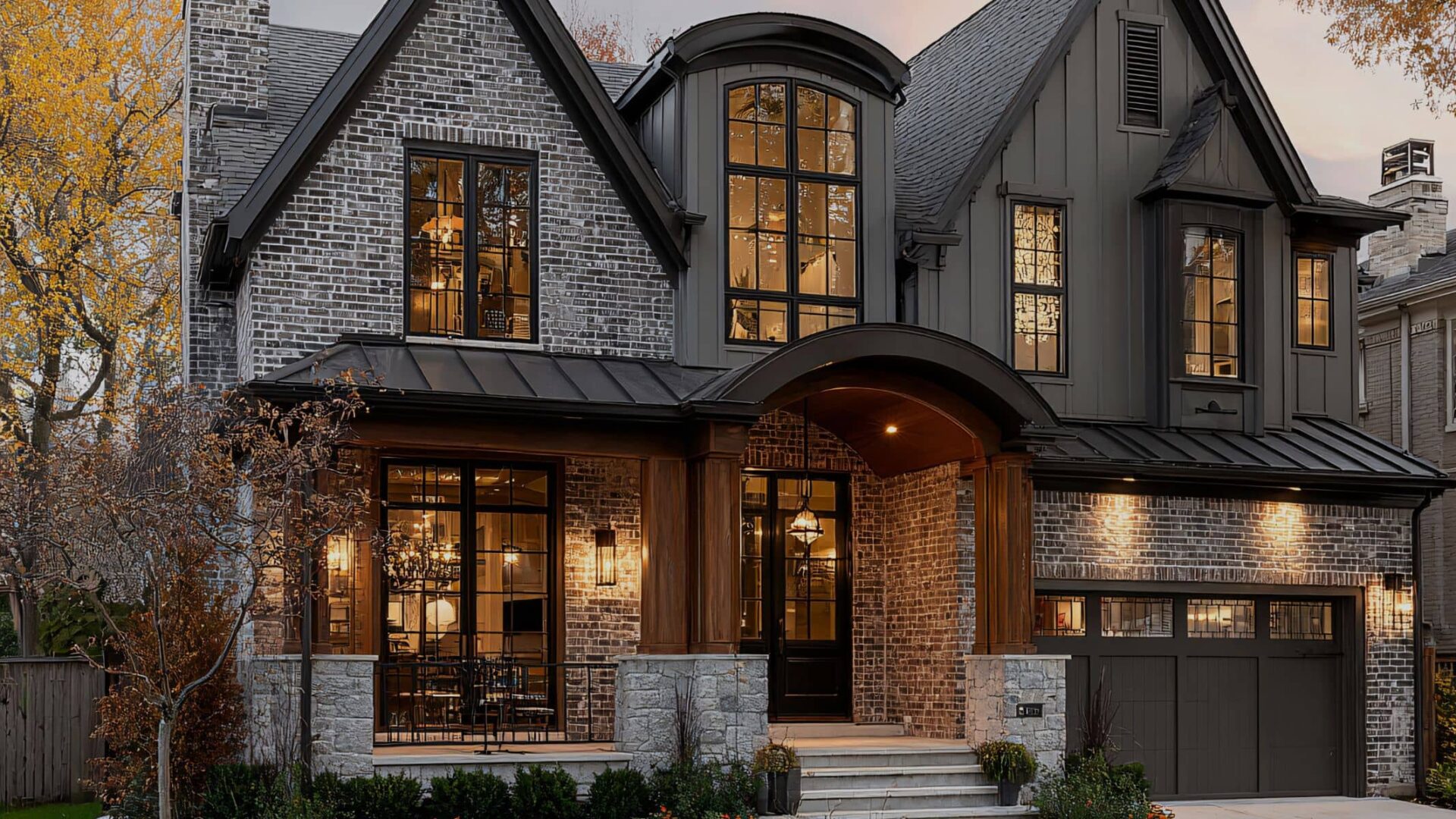
Brick color should relate to the house even if it doesn’t match exactly. Many homeowners choose brick that matches or complements the home’s exterior so the wall looks planned from the start. If an exact match isn’t available, a contrasting color with a matching mortar tone can look intentional.
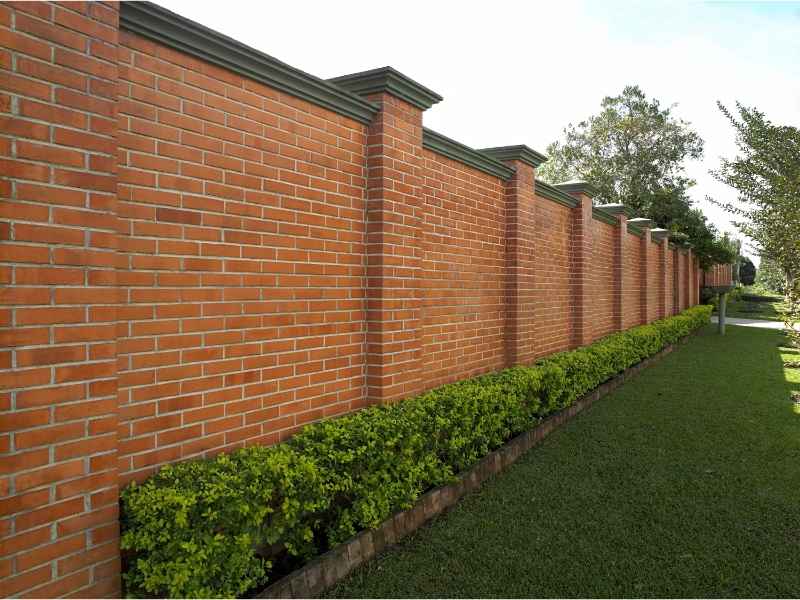
Pattern, called the bond, changes the wall’s character. Running bond, with each brick offset by half, is simple and clean. Flemish and English bonds mix long and short brick faces for a more traditional look, and a soldier course, a row of bricks standing on end, makes a crisp band at the top or base.
Some walls use a pierced or lattice pattern that leaves small openings between bricks. These let breezes and light through but give less privacy, so many designs mix solid sections near seating with open panels elsewhere. Plan the cap too, since brick or stone coping on top finishes the wall and helps shed water.
Preparing the Foundation for a Stable Brick Privacy Wall
A brick wall is only as straight as the footing under it. The footing is a concrete base, usually reinforced with steel, that spreads the wall’s weight into the soil. Its width and depth depend on wall height, soil type, frost depth, and local code, so it should be sized for your site instead of guessed.
Soil matters more than most people expect. Clay soils swell and shrink with moisture, and loose fill can settle unevenly, and either one can crack a wall from below. A masonry contractor can tell you whether your soil calls for a deeper footing, extra reinforcement, or input from an engineer.
Tall walls usually need more than a footing. Many are built with steel reinforcement, a concrete block core faced with brick, or pilasters, which are thicker columns spaced along the wall to stiffen it. Control joints, planned breaks that let brick move with temperature and moisture, keep long walls from cracking in random spots.
Incorporating Drainage and Wind Resistance Into Wall Construction
A solid wall can act like a dam. If it runs across the natural flow of water in your yard, rain will back up behind it, soak the footing, and leave puddles along the base. Plan the wall around your yard’s grading and leave drainage openings or swales where water needs to pass.
Keep water out of the wall itself. A cap with an overhang or drip edge sheds rain away from the face, and flashing near the base can send trapped moisture out through small weep openings. Keep soil and mulch below those openings, and aim sprinklers away from the brick to limit stains and efflorescence, the white mineral deposits left when water moves through masonry.
Wind is the other force to plan for. A tall solid wall catches wind like a sail, and the load grows with height and length. Reinforcement, pilasters, and footing size all help the wall resist it, while pierced sections let some wind pass through. For taller walls, ask whether an engineer should review the design.
Maintaining Brickwork and Mortar Joints for Long-Term Performance
Brick lasts a long time, but mortar joints wear faster. Walk the wall once a year and look for cracked, crumbling, or recessed mortar. Repointing, also called tuckpointing, replaces worn mortar before water gets in and damages the brick.
Use mortar that matches the original in color and strength. Mortar that’s harder than the brick can cause brick faces to crack or flake over time. A good mason will match both the look and the mix.
Watch for warning signs. Stair-step cracks following the mortar lines can point to footing movement, and a lean means the wall needs attention soon. Keep heavy vines trimmed, clean efflorescence with a stiff brush and water, and avoid high-pressure washing, which can erode mortar.
Frequently Asked Questions
How tall can a backyard brick privacy wall be?
That depends on local code, HOA rules, and the wall’s design. Many areas limit backyard wall heights and may require a permit above a certain height. Taller walls also need stronger footings and reinforcement. Check the rules before designing so the wall fits what’s allowed.
Is a privacy wall the same as a retaining wall?
They’re different structures. A privacy wall stands on level ground and mainly handles its own weight and wind. A retaining wall holds back soil, which puts much more pressure on it and calls for a different design. If your wall will hold back any soil, tell your mason so it’s built for that load.
How long does a brick privacy wall last?
A well-built brick wall can last for decades. Its lifespan depends on the footing, drainage, materials, and how well the mortar joints are kept up. Most walls need repointing at some point. Catching small mortar issues early helps the wall last longer.
